Dairy Effluent Management: Right Amount at the Right Time
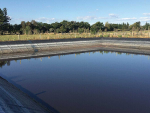
Good effluent management on a dairy farm combines a well-designed system with proper processes to ensure the right amount of effluent gets applied to pasture at the right time.
 increase font size
 IrrigationNZ chief executive Elizabeth Soal.
IrrigationNZ has thrown its support behind the Government’s method of regional post-COVID-19 recovery through Provincial Growth Fund (PGF) funded water projects.
The industry body believes the water projects that have been included in the $48 million loans from the Provincial Growth Fund (PGF) will be a step towards boosting the economy following the impact of COVID-19.
“It is great to see the Government recognising the importance of water storage and the big role water plays in the social and economic wellbeing of our communities,” says IrrigationNZ chief executive Elizabeth Soal.
“Not only will the water projects be good for providing employment opportunities and supporting incomes during the construction phases of these projects, but also in the long term.”
Soal says having reliable access to water enhances communities’ resilience, climate change responsiveness, social outcomes, and unlocks the potential for land use flexibility.
“Investing in water projects is a sound investment for the long term economic and environmental sustainability of our country.”
Regional economic development minister Shane Jones made the PGF funding announcement this morning.
The water initiatives receiving loans totalling $48.4m are:
• Raukokore River Water Ltd, water storage project – $10.6m
• Wairarapa Water Limited, community water storage – $7m
• Te Waka Pupuri Pūtea Trust, Awanui water storage project (Far North) – $3m
• Hawke’s Bay Regional Council, Tukituki water storage development phase - $2.5m
• Hawke’s Bay Regional Council, Heretaunga Plains water storage development phase - $1.7m
Soal says all of the projects have scope to benefit both people and businesses from the urban and rural communities.
Good effluent management on a dairy farm combines a well-designed system with proper processes to ensure the right amount of effluent gets applied to pasture at the right time.
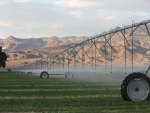
For years, IrrigationNZ has called for a coordinated national approach to water security, backed by enabling regulation, strategic infrastructure investment and sound technical practice. As the 2026 general election approaches, many of these priorities are now reflected in political commitments and legislative reforms. That represents significant progress, but the real measure of success will be turning policy into practical outcomes, says IrrigationNZ principal technical officer Stephen McNally.
There's been widespread support from the primary sector for the Government's announcement on changes to freshwater farm plans that come under the Natural Environment Bill, which is now set to replace the existing RMA.
Today marks the first day of operations for Waikato Waters, a new council-controlled organisation established by six district councils to deliver water and wastewater services for their communities.
OPINION: New economic modelling confirms what many of us in Hawke's Bay have long understood - getting water security right for this region is one of the most important decisions we face as a community. Not just for farmers, but for everyone who lives, works and builds a future here.

Halter has launched Mav, an AI farming assistant that lets dairy farmers ask questions about their herd and pasture and get answers drawn from the data the company’s collars already collect.

OPINION: At first glance it appears that Father Christmas has delivered the rural sector good tidings, with most pundits predicting the return of the centre-right coalition.
For 15 years, Glenda Rees has travelled from Gore to Awarua, often several times a week, to keep watch over one of the country’s rarest birds.
With some farmers opposing a government-industry partnership set up to develop methane reducing products, one NZ company claims that it already has a product on the market.
During the nesting season, from September to December, industrious starlings can quickly build nests in the darker areas behind tractor and vehicle, usually close to hot engines, typically resulting in localised damage or in some cases complete write-offs.
The meat processing industry is much more collegial than it was in the past and is now more focused on common goals.