More recently, newer varieties bringing greater yield and disease resistance have made it an integral part of many farm systems in New Zealand, as more farmers have realised its economic, environmental and nutritional benefits.
A reliable perennial legume, lucerne can be grazed, used as silage, cut and fed or used to make hay. This versatility, coupled with multiple grazings, make lucerne a sure bet for farmers as a reliable summer feed.
“Pioneer” brand products are constantly evaluating new lucerne genetics to ensure we introduce the best varieties for your farm,” claims the company’s business manager, Grant Matthews.
“As the climate changes, supplementary feeds are becoming more important to New Zealand farmers, and lucerne has many benefits that can directly affect farmers’ bottom line. That’s why we are continuing to focus on introducing new, higher performing varieties.”
A reliable feed
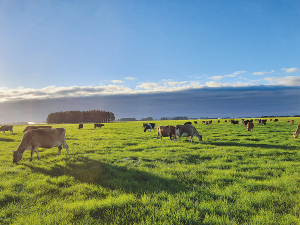
Lucerne grows well in a range of climates and can sustain winter cold as well as dry summer spells. It provides a reliable and consistent yield of green feed throughout the summer months when pasture production tends to drop.
High in protein, lucerne can increase animal liveweight gains or milksolids output, and makes an excellent complimentary feed to other supplementary feeds.
“In summer months, pasture yield and quality can be low. Feeding lucerne at this time can boost animal growth and performance creating higher returns,” Matthews says.
Drought tolerant
While most other crops and pastures grow roots less than one metre deep, lucerne roots grow considerably deeper, enabling it to source deep seated water and giving it excellent drought resistance.
The breakdown of roots contributes to soil fertility by adding nitrogen, which can help to increase the yield and quality of subsequent crops.
More hardy varieties
Traditionally insect damage (especially aphids) and disease have restricted the popularity of lucerne, but new varieties have been developed to address these issues and even more breeding initiatives continue.
“Pioneer brand 54V09 Lucerne, which was introduced in 2010, is our best variety yet, giving excellent yield, high disease resistance and good forage quality compared with our previous varieties,” Matthews says,.
“All our lucerne is treated with Nitragin* Plus which means a number of benefits for every seed. These include high nitrogen fixation for better yields, better effectiveness against fungal diseases and localised pH correction around the seed,” he adds. “The benefits are also passed onto the farmer meaning easier, accurate and safer planting and more pure seed for every kilogram of coated seed purchased.”
For more information on Pioneer brand 54V09 lucerne, speak to your local merchant or visit pioneer.co.nz