NZKGI Responds to Migrant Worker Exploitation Reports
Where any worker in the kiwifruit industry is mistreated, we expect the authorities to take action.
 increase font size
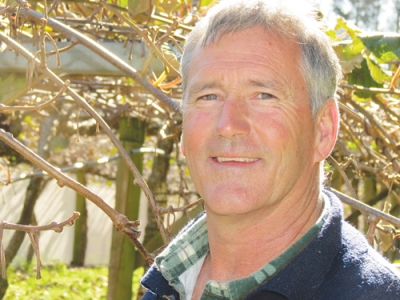 Sean Carnachans career in the kiwifruit industry started back in 1981.
In 1983 Sean Carnachan was named the New Zealand young horticultural cadet of the year.
He was working in the kiwifruit industry, but the competition was for young people right across the horticulture sector. As his wife Jo says, it was a big deal at the time because thousands of young people just like Sean were working in the sector.
His career began in 1981 when he started as a cadet working in various local orchards. Two years later he was managing orchards and aiming eventually to own his own kiwifruit block.
“In 1992, when the kiwifruit industry hit pretty much rock bottom, with property values low, we took the opportunity to buy our first orchard. We bought more land in 1995, 2010 and again in 2013.
“I was fortunate that when I started we were in the development stage of the industry. We were flat out developing orchards and there was a good variety of vine and structural work so I learned how to develop orchards.
“In the 1980s it became all about production and later it was about improving efficiency. I guess when there were cycles – and there are always cycles in farming – we have been in the right position to take the opportunity to purchase land.”
Carnachan says he escaped the PSa problem because we wasn’t growing any 16A fruit at the time and now has G3 and G9 fruit.
“I have tended to do the opposite of what everyone else does,” he explains. “I buy when I consider the property values are realistic. And when times are good we have a strategy of surrendering debt and doing improvements in the orchard because our cashflows are strong.”
This strategy has paid off for Sean and Jo Carnachan, now among the largest and most successful growers in the region. But while success through smart decisions has come their way, they are future-focused on the industry, committed to improving the quality of their crop and helping create a labour force for the industry.
Where any worker in the kiwifruit industry is mistreated, we expect the authorities to take action.

Kiwifruit growers are watchful but remain optimistic as concerns around the potential effects of the El Niño weather pattern this season.
More signs of a booming kiwifruit sector.
After delivering a strong financial year, rural trader PGG Wrightson says the coming months will depend on customer confidence and weather.
New Zealand growers have always adapted to changing conditions, but one challenge is steadily gaining ground across the horticulture sector: resistance.


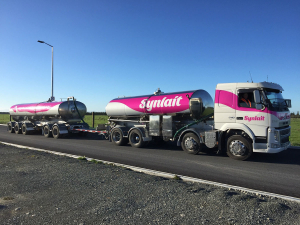
Synlait has swung to second-half profit as operations stabilise, but the dairy processor still posted a $75.4m annual loss.

LIC shareholders have elected a new North Island representative to the co-operative's Board, along with five representatives to its Shareholder Reference Group (SRG), following the company's Annual Meeting held in Invercargill.
Farmers across parts of Southland and South Otago are continuing to deal with difficult conditions after a prolonged run of wet weather, with pressure building around feed supply, stock management, pasture damage, farm infrastructure and everyday workloads.
Federated Farmers says it welcomes Labour's commitment to reviewing the Sharemilking Agreements Act, calling on other major parties to do the same.
For Canterbury dairy farmers Sian Meijer and Rick Wobben, wearable technology has become one of their most valuable on-farm tools - helping manage 1850 cows across an expansive, high-performing dairy operation while improving efficiency, mating outcomes and day-to-day decision making.
Fonterra has unveiled its annual results for the 2026 financial year, posting $27 billion in revenue and close to $20 billion returned to New Zealand farmer owners and unit holders.