Ospri Urges Farmers To Prepare NAIT Records Before Moving Day
Moving Day (June 1) is just around the corner and farmers who are moving farms with the herd are being urged by Ospri to start preparations now.
 increase font size
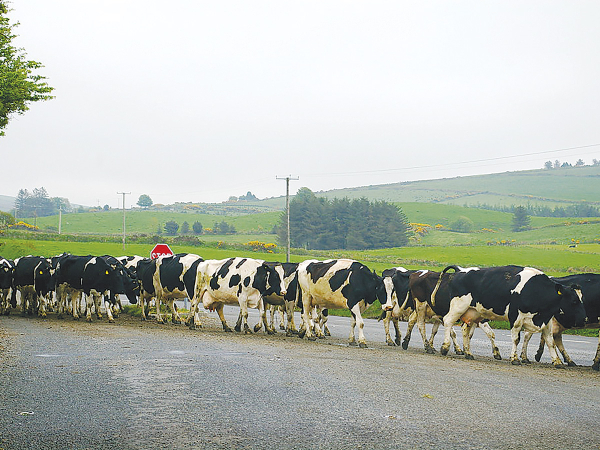 Moving Day for stock starts from 1 June and continues for several weeks.
Southern dairy farmers are being reminded to undertake best practices to safeguard water quality and transport safety when the annual stock Moving Day begins shortly.
Moving Day for stock starts from 1 June and continues for several weeks, a tradition where dairy cow herds and farmers move between farm properties, either by road or more often by stock truck.
Otago Regional Council manager compliance Tami Sargeant says the emphasis is on farmers’ standing their stock the day before moving, and for trucking companies to use the roadside effluent disposal sites.
Sargeant says effluent from stock trucks can put road users and adjacent waterways at risk and asks farmers to stand off their animals, for at least 4 to 12 hours, prior to transporting them.
She says that effluent can get onto roads, become a safety hazard for other drivers, run off into roadside drains, or pollute adjacent waterways.
The ORC and several local authorities now operate nine roadside effluent disposal sites across Otago, with six disposal sites on State Highway 1 between Pukeuri and Clinton, and three on inland highways, at Raes Junction, Brassknocker Rd and Tarras.
Farmers walking their herd along a road should keep them away from roadside drains, and avoid disturbed soil, to stop effluent entering waterways.
Cows should be stood off green feed for at least four hours, but no more than 12 hours, before they are loaded onto trucks, which helps reduce the amount of effluent on trucks.
For welfare reasons, DairyNZ also recommends that a grazed-out paddock or stand-off pad are better options for standing stock, than a concrete surface, as the latter can contribute to tender feet and are not god for stock to lie down on.
Moving Day (June 1) is just around the corner and farmers who are moving farms with the herd are being urged by Ospri to start preparations now.
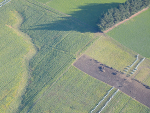
Otago Regional Council is set to begin its annual winter farm flyovers in the next three weeks.
Good planning and communication are crucial to ensure a successful moving day.
OPINION: A reader recently called out the Hound for not giving Federated Farmers enough credit for taking Otago Regional Council to task on its dodgy rule changes.
OPINION: The Otago Regional Council needs to be honest about what the new proposed freshwater rules might mean for our community and how much it could cost local ratepayers.



LIC shareholders have elected a new North Island representative to the co-operative's Board, along with five representatives to its Shareholder Reference Group (SRG), following the company's Annual Meeting held in Invercargill.
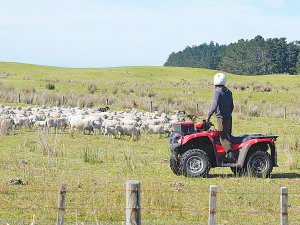
Farmers across parts of Southland and South Otago are continuing to deal with difficult conditions after a prolonged run of wet weather, with pressure building around feed supply, stock management, pasture damage, farm infrastructure and everyday workloads.
Federated Farmers says it welcomes Labour's commitment to reviewing the Sharemilking Agreements Act, calling on other major parties to do the same.
For Canterbury dairy farmers Sian Meijer and Rick Wobben, wearable technology has become one of their most valuable on-farm tools - helping manage 1850 cows across an expansive, high-performing dairy operation while improving efficiency, mating outcomes and day-to-day decision making.
Fonterra has unveiled its annual results for the 2026 financial year, posting $27 billion in revenue and close to $20 billion returned to New Zealand farmer owners and unit holders.
The first major update to the Dairy Cattle Code of Welfare in more than a decade has been released, marking what DairyNZ describes as an important step in ensuring animal welfare standards continue to evolve alongside scientific evidence and on-farm realities.




