Editorial: Rural sector deserves better
OPINION: The phasing out of copper network from communications is understandable.
 increase font size
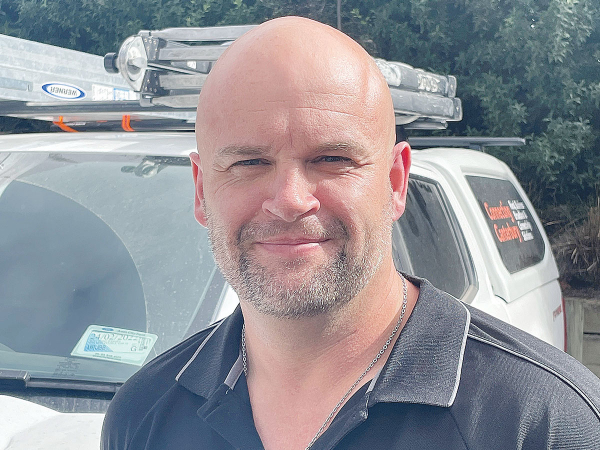 Mike Smith says getting fast broadband to rural areas of New Zealand is the last great challenge for the country’s Internet network.
OPINION: Getting fast broadband to rural areas of New Zealand is the last great challenge for the country's Internet network.
Former Prime Minister John Key recently said that one of the top achievements of his time in government was ultra-fast broadband. The rollout of fibre arrived in time to be a vital help for communities during Covid lockdowns and is now an essential service for all kinds of social and economic reasons.
But Key also said he was concerned about the rural/urban divide with a number of people unable to get access to fibre Internet.
Luckily, there is already a solution for many rural properties as New Zealand's wireless internet service providers, or WISPS, are working to link users with quality broadband and have been building their own networks to do this.
A lot of this work is being done as part of the Crown Infrastructure Partners' Rural Broadband Initiative project, which aims to improve access to 84,000 rural homes and businesses.
Many of its members are getting quality broadband to the most isolated of places. Wireless internet providers, or regional telecommunications providers, are delivering high quality broadband services to over 75,000 homes and businesses throughout regional New Zealand.
I know the sector well, being the founder of Ultimate Broadband (UBB), a wireless provider in Canterbury.
Fibre expansion is critical to extending ultra-fast connectivity to regional New Zealand, particularly by providing capacity to the wireless networks that WISPs operate.
These wireless networks are the backbone of rural New Zealand’s connectivity, often providing much-needed high speed broadband and services where others cannot.
As fibre moves further into the regions, WISPS can increase the capacity of their services, which means faster broadband connectivity for the regions.
It has a massive flowon effect for rural New Zealand.
WISPS offer a full range of services beyond their wireless infrastructure. For example, many WISPS are already investing in their own fibre networks to expand past the current UFB or rural fibre footprint.
A regional focus and a can-do attitude go a long way to making these things happen.
A regional focus and a can-do attitude go a long way to making these things happen.
WISPA NZ, alongside TUANZ and many ruralfocused groups, has been pushing for a 10-year plan for broadband connectivity to ensure regional New Zealand is not left behind. This calls for industry and Government to work together to ensure more investment gets the desired outcomes.
It’s really important to remember that there is no single solution that will close the connectivity gap. Instead, a mixture of solutions is required that together will ensure there is equality between urban and rural connectivity.
WISPA welcomes more discussion on closing the connectivity gap and is always keen to hear ideas of how to do this.
For more information go to: www.wispa.nz
Mike Smith is head of WISPA NZ and founder of Ultimate Broadband, a Canterbury wireless internet provider.
OPINION: The phasing out of copper network from communications is understandable.

Rural communities say support is required to shift away from the copper network that has been the only source of internet connection for some parts of rural New Zealand.
The lack of quality internet coverage in Northland is costing farmers time and money, says Federated Farmers Northland president Colin Hannah.
The Commerce Commission is weighing up whether or not it should deregulate the copper network, still used for internet and landline in 80,000 rural premises.
Telco infrastructure provider Chorus says that it believes all Kiwis – particularly those in the rural areas – need access to high-speed, reliable broadband.



The primary sector is leading New Zealand's economic recovery, according to economist and researcher Cameron Bagrie.
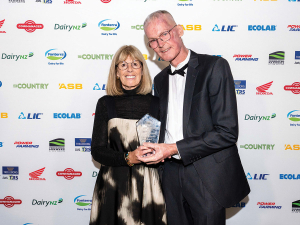
Dairy industry leader Jim van der Poel didn't make much of the invitation he received to the recent New Zealand Dairy Industry Awards in Rotorua.
Farmers around the country are going public big time, demanding their local district, city and regional councils come up with amalgamation plans that meet the needs of rural communities and don't allow urban councils to dominate.
The battle for the rural vote is on and parties are securing high profile names to try and bolster their chances at the general election.
Horticulture New Zealand says proposed changes to the Plant Variety Rights Act 2022 will drive innovation, investment and long-term productivity.
More than 1200 exhibitors will showcase their products and services at next month’s National Fieldays, with sites nearly sold out.