Hawke’s Bay sheep and beef farmers warned to monitor stock water wells
Sheep and beef farmers in Hawke's Bay are being urged to keep a close eye on the wells that supply water to their stock.
 increase font size
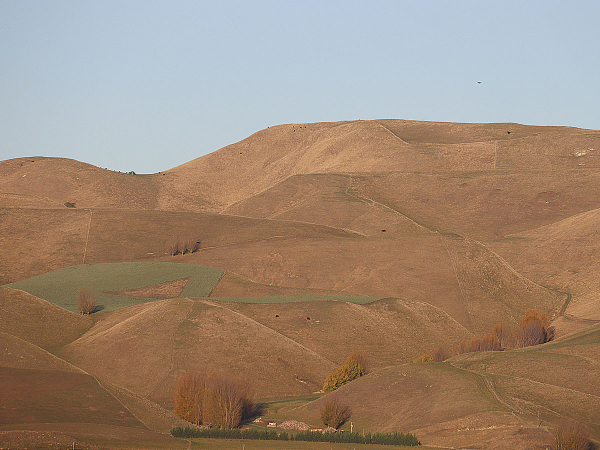 Good planning and early decision-making are critical when farmers are dealing with drought conditions.
OPINION: Farmers along the east coast of both islands are being urged to start planning for drought as recent nor'west winds have left soil moisture levels depleted.
For many farmers it has been a challenging spring, with farmers along the east coast experiencing very dry conditions, while farmers in other parts of the country are dealing with ongoing wet weather.
For example, in Hawke's Bay, normally in November, grass would still be green, but not this year. It is already starting to turn brown and it's obvious that stock numbers have been cut to the minimum.
In Eketahuna, Federated Farmers provincial president Jim Galloway reports that in the last 12 months they have only had two months with an average of above average rainfall - all the other months they've had below average rainfall.
Farmers are responding by selling ewes with lambs at foot and not buying new stock as they might normally do.
Beef + Lamb NZ is recommending farmers along the east coast to start planning for drought and consider strategies such as early weaning, selling trading stock at lighter weights and buying in supplementary feed before demand puts upward pressure on prices.
Good planning and early decision-making are critical when farmers are dealing with drought conditions.
B+LNZ suggests farmers set trigger dates and if it hasn't rained by that date, then certain actions need to be implemented.
For example, wean early-weaning five-year ewes and getting those ewes off the property and sold on a higher schedule in December or selling a line of cows and calves - stock that would struggle in a very dry summer.
It is important farmers focus on protecting the reproductive performance of their capital stock to help minimise the impact of a drought.
This is where tools such as body condition scoring is so valuable as farmers are partitioning limited feed resources into the stock that need it the most.
As farmers grapple with the looming dry spell, they have support. B+LNZ has resources on Knowledge Hub to help support decision making. This includes a drought tool kit and strategies used by farmers in previous droughts.
Sheep and beef farmers in Hawke's Bay are being urged to keep a close eye on the wells that supply water to their stock.

Fears of a serious early drought in Hawke’s Bay have been allayed – for the moment at least.
As you approach Hastings from the south along SH2, the colour of the west-facing hills are a good indicator of a drought.
New research could help farmers prepare for a future where summer rainfall is increasingly unpredictable and where drought risk is rising, no matter what.
The grass may be growing again in the drought-stricken coastal area of Taranaki, but the outlook for many farmers there is far from rosy.


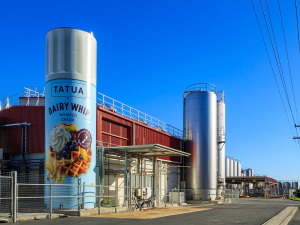
Waikato milk processor Tatua has again declared a record milk payout to farmer shareholders, leaving other processors in the dust.
A Labour-led Government won’t be bringing back the controversial freshwater rules of 2020.
National’s much-touted free trade deal with India featured in the Rural Issues Debate at Mystery Creek, Hamilton on Wednesday night.
New Zealand's 2026-27 freshwater fishing season has opened, with anglers encouraged to head to rivers and lakes over the coming days as conditions look favourable across much of the country.
Central Otago District Council (CODC) has voted against a plan to spread treated sewage sludge from Cromwell and Alexandra on farmland near Lauder, a decision Federated Farmers says reflects strong opposition from rural residents.
Pāmu has released its FY26 Integrated Annual Report, reporting a Net Operating Profit of $113 million, more than double the $49 million recorded in FY25.