Editorial: Working Together for Results
OPINION: New health and safety guidance unveiled by the Government recently provides farmers greater certainty about what is expected of them when managing risks on farm.
 increase font size
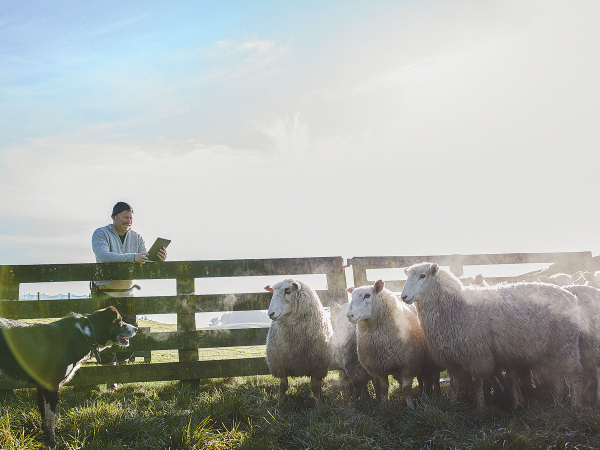 The increases have come even though the agricultural sector facing a raft of challenges in the past two years. Photo Credit: Paul Sutherland Photography.
OPINION: The recent Federated Farmers / Rabobank 2024 Farming Salaries Report revealed strong growth in farm salaries over the past two years.
The numbers speak for themselves: weighted average salaries rose by 11% for dairy sector roles, by 17% for sheep and beef roles, and by 14% for arable roles.
The increases have come even though the agricultural sector facing a raft of challenges in the past two years – farm owners have been facing higher input costs and interest rates. Despite this, farm employers across the dairy, sheep and beef, and arable sectors have continued to invest strongly in one of their greatest assets – their staff.
Since 2022, the average salary for a farm worker has increased by $7,480 to $71,411 and the weighted average annual salary across the 13 surveyed on-farm position categories has grown by 13%.
And for some more senior roles, the increases have been significantly higher: the average salary for a dairy herd manager is up 19% to $74,185. A sheep/beef farm manager is earning an average 22% more than two years ago ($88,381) and the average income for an arable farm manager is up 28% to $101,264.
As Federated Farmers points out, the increases are impressive, especially considering all the headwinds farmers have contended with over the past two years which have included Covid, severe weather events, production-suffocating red tape, inflation and roller-coaster commodity prices.
The report also highlights strong growth in Total Package Values (TPV) for farm employees. The average TPV for someone working in the sheep and beef sector rose to $76,296, nearly $3,700 more than the salary.
The average weekly hours worked on farms is below the International Labour Organisation’s recommended maximum standard weekly total of 48 hours. The average number of hours worked by a permanent dairy staff member was 46.3 hours. On a sheep and beef farm it was 44.4 hours and on an arable farm 46.3 hours.
These impressive statistics show that NZ agriculture remains an attractive workplace for both locals and migrants, and farm owners are dedicated and fair employers.
Finally, it means careers in NZ agriculture are not only satisfying, but also pay-competitive.
OPINION: New health and safety guidance unveiled by the Government recently provides farmers greater certainty about what is expected of them when managing risks on farm.
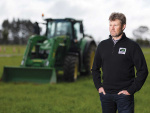
Mobile phone coverage and reliability are deteriorating in rural areas, and farming families are bearing the cost, according to a Federated Farmers survey.
Twenty-eight emerging leaders from across the horticulture sector spent two days last month learning valuable skills and connecting with industry experts.
Central Otago District Council (CODC) has voted against a plan to spread treated sewage sludge from Cromwell and Alexandra on farmland near Lauder, a decision Federated Farmers says reflects strong opposition from rural residents.
Federated Farmers has called on Central Otago District Council (CODC) to drop or vote down a plan to truck sludge from Alexandra and Cromwell to farmland near Lauder, warning it would compound an "outrageous" situation created by a separate council's decision weeks earlier.


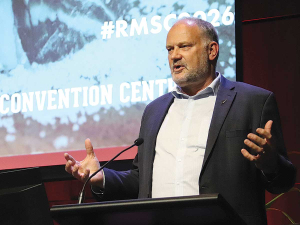
Good medium to long term prospects for NZ beef, especially in the US, has heighted the focus on various initiatives to capitalise on this situation.
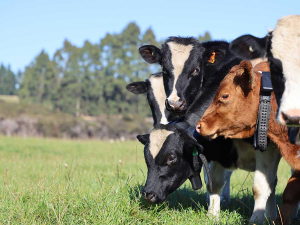
High country stations, mixed sheep and beef farms, Māori-owned farms, corporates and family operations are among the nine commercial farms taking part in the Livestock Innovation Farming Transformation programme, known as LIFT.
OPINION: New health and safety guidance unveiled by the Government recently provides farmers greater certainty about what is expected of them when managing risks on farm.
The National Animal Welfare Advisory Committee (NAWAC) is seeking public feedback on proposed changes to the Code of Welfare for Rodeos.
A New Zealand initiative supporting farmers to restore the health of grazing landscapes has received international backing through the Regenerative Fund for Nature, a global collaborative fund supporting regenerative agriculture and the communities that produce natural fibres for the fashion industry.
Combine premium New Zealand products, blend in a family ritual and what do you get? A world-class functional drink.