Editorial: Which Chris By Christmas?
OPINION: At first glance it appears that Father Christmas has delivered the rural sector good tidings, with most pundits predicting the return of the centre-right coalition.
 increase font size
AS FONTERRA last month announced a 33% surge in half-year net profit, its share price had another story to tell.
The co-op’s share soared to $7.50, a jump of 50c on the back of the financial results. It was launched in November last year at $5.50/share. For Fonterra’s farmer shareholders, the financial results are bittersweet.
A 30c/kgMS lift in milk payout will go some way to ease the pain of drought. However, for South Island farmers, shielded from the drought, buying more Fonterra shares to match increased production has just become harder.
TAF (trading among farmers) may have fixed the redemption risk to Fonterra’s balance sheet. But it has exposed the co-op’s lifeblood – milk supply – to a new threat. Fonterra could lose milk supply because its share price is now too high for farmers to buy in.
Delegates to a recent Federated Farmers dairy council meeting said they were aware of suppliers who had already switched to other processors. A declining milk supply would be against the co-op’s strategy to lift volume and value.
This brings us to the question, is TAF working? Fonterra’s board and management, the architects of TAF, will say yes. For shareholders, the jury is still out.
TAF introduced a trading market for farmers to trade milk supply-linked shares among themselves, relieving Fonterra of the obligation to trade its shares, which directors argued exposed its balance sheet to a run on capital.
Many farmers opposed TAF, fearing the offer of units to sharemarket investors was the first step in loss of farmer control and ownership of New Zealand’s biggest company.
TAF may have enough measures in place to ensure 100% shareholder control. But the out-of-control share price, set by the share market, is ironically driving shareholders away from the co-op.
Five years ago, all farmers in Fonterra had common interests. What was good for one farmer was good for all farmers. Now, some farmers have interest in Fonterra units, as do investors around the world. Fonterra also has to ensure a fair dividend to investors, balancing it with a decent payout to its shareholders. There are factions within the co-op governance structure.
No one said TAF was going to be simple. But some shareholders did warn it would open a can of worms. They appear correct.
OPINION: At first glance it appears that Father Christmas has delivered the rural sector good tidings, with most pundits predicting the return of the centre-right coalition.

OPINION: The Government's decision to reinstate agriculture and horticultural science as a standalone subject from Year 11 is the right one.
OPINION: Political parties are getting plenty of advice and recommendations from sector groups as the election approaches.
OPINION: Making it easier to collect rainwater and use it to grow crops and livestock is a no brainer.
OPINION: New health and safety guidance unveiled by the Government recently provides farmers greater certainty about what is expected of them when managing risks on farm.


OPINION: At first glance it appears that Father Christmas has delivered the rural sector good tidings, with most pundits predicting the return of the centre-right coalition.
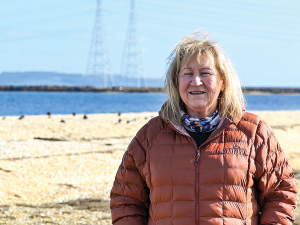
For 15 years, Glenda Rees has travelled from Gore to Awarua, often several times a week, to keep watch over one of the country’s rarest birds.
With some farmers opposing a government-industry partnership set up to develop methane reducing products, one NZ company claims that it already has a product on the market.
During the nesting season, from September to December, industrious starlings can quickly build nests in the darker areas behind tractor and vehicle, usually close to hot engines, typically resulting in localised damage or in some cases complete write-offs.
The meat processing industry is much more collegial than it was in the past and is now more focused on common goals.
With the last couple of months having seen some potential tractor purchases put on hold with the impending election and continued input cost rises, year-to-date figures, ending September, has seen deliveries up around 5% over the same period in 2025, with a total of 2026 units.