Beef + Lamb NZ's Lambing Kit Checklist for a Tough Season
With lambing underway in many regions, Beef + Lamb New Zealand is encouraging farmers to put together a wellequipped lambing kit to help minimise lamb losses, particularly in bad weather.
 increase font size
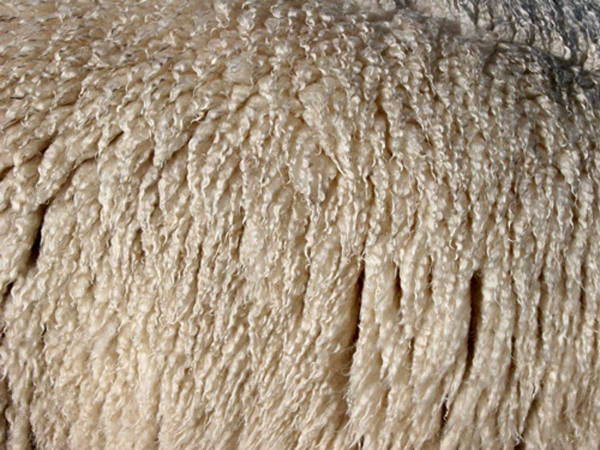 The latest wool report looks like yet another glossy document that will sit on the shelf.
OPINION: Long-time wool industry observers have greeted the latest report aimed at resurrecting the ailing fortunes of the country’s struggling strong wool sector with a healthy dose of cynicism.
The latest incarnation, Vision and Action for NZ’s Wool Sector, was produced by the Wool Industry Project Action Group (PAG), chaired by Wanaka-based agribusiness man John Rodwell. Even he concedes that farmers will take plenty of convincing that this latest report won’t join its long list of predecessors and be left to gather dust on the shelf.
The PAG report sets out three key recommendations for revitalising the sector:
• Developing a market-focused investment case and strategic roadmap for the strong wool sector.
• Establishing the capability necessary to get the sector match fit and ready for the opportunities ahead.
• Establishing a governance and coordination capability.
Wool growers have heard these types of woolly ideas before. Is there any wonder they are cynical that this latest report will be any different to the myriad of others that have been produced in the past – including the infamous McKinsey Report from the dying days of the Wool Board?
Meanwhile, growers have seen strong wool prices slump 40% since the 1990s. Latest auction results for full fleece make grim reading. Good quality cross-bred, greasy wool is managing just $1.50/kilogram, which rises to $1.90/kg for “really good” clean wool – a price drop of between 35 - 40 % over the past quarter alone.
“We believe we are on the cusp of a natural fibre renaissance, led by more environmentally and socially conscious consumers, and that a new approach is needed,” the PAG report says.
Really?
Currently shearing for most strong wool growers is a cost and more of an animal welfare issue, given the low prices for wool, rather than a viable income stream.
As former Wool Board member Lochie MacGillivray told Rural News, if the strong wool sector’s fortunes can be resurrected, much of the knowledge and skill set to do this has already departed the industry and it would take an awful lot of effort to revive this.
MacGillivray also points out that the technology for the manufacture of strong wool has also fallen behind that of synthetics. He claims machines manufacturing nylon can operate at greater speeds than those for wool, which makes their products more competitive.
Unfortunately, the latest wool report looks like yet another glossy document that will sit on the shelf.
With lambing underway in many regions, Beef + Lamb New Zealand is encouraging farmers to put together a wellequipped lambing kit to help minimise lamb losses, particularly in bad weather.

New Zealand wool is reaching new heights as air filtration companies move away from synthetic products to biodegradable alternatives.
Will a stronger, more coordinated voice help rebuild confidence and improve returns in the wool sector?
OPINION: Confidence in the wool sector is rebounding as prices hit levels not seen in more than 15 years.
The recently signed free trade agreement with India is an invitation to strengthen relationships between the New Zealand and Indian strong wool industries, says Wool Impact chief executive Andy Caughey.



Ravensdown shareholders have elected Jane Montgomery and Kate Acland to the Ravensdown Board for three-year terms, following a closely contested director election.
Federated Farmers says new legislation replacing the Resource Management Act will cut red tape, unlock investment and help grow New Zealand's export-led economy, after the Planning Bill and Natural Environment Bill passed their third reading in Parliament yesterday.
Leading figures from the major political parties will be questioned on their primary sector policies at the Rural Issues Debate at Mystery Creek Events Centre, Hamilton, on 30 September.
OPINION: Have a plan in place now!
Beef + Lamb New Zealand (B+LNZ) says it welcomes the passage of the Natural Environment Bill and Planning Bill, calling the bills a positive step for sheep and beef farmers.
A spate of southerly winds bringing cold temperatures has presented challenges for Taranaki dairy farmers.




