Rural bias?
OPINION: After years of ever-worsening results from our education system, the startling results from a maths acceleration programme stood out like a dog’s proverbials – the trial producing gains of one full year in just 12-weeks.
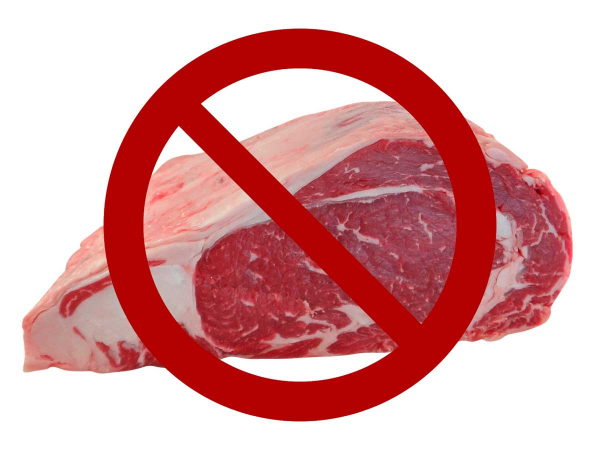
Thousands of UK students have successfully fought a beef-ban aimed at reducing their university’s carbon footprint.
The University of Edinburgh beef-ban was initially put forward at a student council, receiving a small majority of votes in favour.
The small majority meant that the University of Edinburgh’s student association had to put forward a motion to students to cease the sale of beef products in all of the association’s cafes and restaurants.
In a statement released on Facebook, the Edinburgh University Students' Association said that almost 6,000 students came forward to vote on the proposal, with 58% of students voting against it.
Farming UK reports that the motion was inspired by similar beef-bans at other universities, such as the University of Cambridge, whose University Catering Service banned beef and lamb in 2016.
Farming UK adds that the University of East Anglia also held a beef-ban, but this was overturned in December 2019.
Two farmers and two farming companies were recently convicted and fined a total of $108,000 for environmental offending.
According to Ravensdown's most recent Market Outlook report, a combination of geopolitical movements and volatile market responses are impacting the global fertiliser landscape.
Environment Canterbury, alongside industry partners and a group of farmers, is encouraging farmers to consider composting as an environmentally friendly alternative to offal pits.
A New Zealand dairy industry leader believes the free trade deal announced with India delivers wins for the sector.
The Coalition Government will need the support of at least one opposition party to ratify the free trade deal with India.
Primary sector leaders have welcomed the announcement of a Free Trade Agreement between India and New Zealand.