Stop the rot!
OPINION: Bayer Crop Science closing its Hastings research site could be the tip of the iceberg.
 increase font size
 The case is the first in the United States to make a ruling on the use of dicamba-based herbicides.
A US farmer has been awarded US$265m (NZ$411m) in a lawsuit against herbicide providers Bayer and BASF.
According to The Wall Street Journal, a Missouri jury handed $15 million in actual and $250 million in punitive damages to the state’s largest peach grower, Bill Bader.
Bader sued Bayer and BASF after claiming his 1,000-acre orchard had been harmed by the companies’ herbicide that had drifted onto his tress from neighbouring farms in 2015 and 2016.
Bader sued the companies, claiming they encourage farmers to spray their dicamba-based herbicides irresponsibly.
The trial lasted three weeks and is the first case in the United States to make a ruling on the use of dicamba-based herbicides.
US farmers have alleged that dicamba-based herbicides can become vapour in some weather conditions.
They claim the vapour drifting across large distances has caused damage to tens of thousands of acres of cropland.
Bayer says it plans to appeal the verdict, whereas BASF is still to decide its next steps.
OPINION: Bayer Crop Science closing its Hastings research site could be the tip of the iceberg.

BASF New Zealand is launching its inaugural Biggest AgriPhoto Competition, inviting Kiwi farmers and rural communities from across the country to showcase their love of farming through photography.
New Zealand trade officials are watching the escalating trade war between the US and China with mounting concern and anxiety.
Linking Kiwi wines with US palates.
While courts around the world argue through claims herbicide Roundup is carcinogenic, Bayer has agreed to pay out US$10.9 billion to settle US-based lawsuits.



Now in its fourth year, the 2026 Fencing Industry Awards, formed part of the proceedings of the FCANZ Conference, held in Nelson during August.
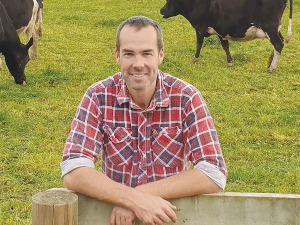
DairyNZ deputy chair Cameron Henderson has been re-appointed unopposed for another term.
OPINION: The stats speak for themselves.
Farms across the upper North Island are trialling different pasture mixes as part of a research programme that aims to build greater resilience into farming systems.
Election years are always a concerning time for farmers, according to DairyNZ chair Tracy Brown.
The Ballance Farm Environment Awards are coming to the West Coast of the South Island.