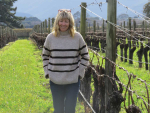
Marlborough Grower Melissa Tripe on Surviving the Downturn
Melissa Tripe knows what a downturn feels like.
 increase font size
 Juliet Ansell
Even in tougher times, the New Zealand wine industry is a collaborative force, open minded and engaged by science and innovation, says Juliet Ansell, Chief Executive of Bragato Research Institute.
The Good: Our Next Generation Viticulture programme has now been underway for over a year. The programme aims to improve vineyard profitability by adopting innovative canopy systems that drive cost reductions, reduce yield variability, and enhance sustainability, all while safeguarding the quality New Zealand wine is renowned for. The programme is a partnership with the Ministry for Primary Industries, New Zealand Winegrowers, and seven wine businesses. We have been keeping the industry informed throughout the seasons with workshops. Progress has been positive, and we are looking forward to sharing the full first year results in due course.
The Bad: Watching our members go through another difficult year has been hard, and you have my genuine empathy, as at BRI we truly feel a part of the industry. I know we still have some tough times to get through, but I believe this is where research and innovation are critical. I am keen to keep building connections with members who have insights to share, particularly regarding any challenges you are facing that could benefit from further research. We have a couple of initiatives specifically targeting short-term industry research - we've restarted 'grower trials' and plan to ring-fence applied research each year from contestable funding.
The Awesome: The engagement and participation from the industry in science and innovation. I am always excited by how truly collaborative and open-minded the New Zealand wine industry is. Over the past year, we have co-designed the refresh of the research strategy with you. This strategy wsill be used to guide future investment aligned with the outcomes you have prioritised. There is still going to be an element of balancing short term applied research with longer term, stretchier science, but we are so much clearer on the challenges and how we can help. We have filled in some gaps in the dedicated team here at BRI, which has further set us up to help deliver for the wine industry. Thank you to everyone who has welcomed, challenged, and collaborated with BRI during the year.
Melissa Tripe knows what a downturn feels like.
Glyphosate resistance threatens to significantly increase operational costs and reduce profitability in New Zealand vineyards, according to a new report.
From genetic researchers and bioinformaticians to plant pathologists and data scientists, Emma Jenkins talks to some of the women helping shape the future of New Zealand wine.
Bragato Research Institute has announced funding for four new research projects, all aligned with BRI's Research Strategy, designed to be completed within one to two years, and expected to deliver near term benefits for growers and winemakers.
OPINION: The months ahead are important for New Zealand Winegrowers.


