




Recent
CODC Sludge-to-Lauder Plan Slammed by Federated Farmers
Federated Farmers has called on Central Otago District Council (CODC) to drop or vote down a plan to truck sludge…LIC Elects New Board Member, Reports Strong FY25/26 Result
LIC shareholders have elected a new North Island representative to the co-operative's Board, along with five representatives to its Shareholder…Southland Farmers Face Wet Weather Toll, Support Available
Farmers across parts of Southland and South Otago are continuing to deal with difficult conditions after a prolonged run of…Ravensdown Elects Montgomery, Acland to Board
Ravensdown shareholders have elected Jane Montgomery and Kate Acland to the Ravensdown Board for three-year terms, following a closely contested…National

Federated Farmers Welcomes RMA Replacement Passing
Federated Farmers says new legislation replacing the Resource Management Act will cut red tape, unlock investment and help grow New…
Major Parties to Debate Farming Policy Ahead of Election
Leading figures from the major political parties will be questioned on their primary sector policies at the Rural Issues Debate…RMA Reform: Sheep & Beef Farmers React to New Bills
Beef + Lamb New Zealand (B+LNZ) says it welcomes the passage of the Natural Environment Bill and Planning Bill, calling…OANZ Launches Election Scorecard on Organic Policy
As the election heats up, Organics Aotearoa New Zealand (OANZ) has launched its election scorecard designed to help voters wanting…Egmont Honey Buys Tweeddale's, Now NZ's Biggest Apiary
New Plymouth-based Manuka honey exporter Egmont Honey has completed its acquisition of Taihape beekeeping business Tweeddale's Honey, with settlement finalised…World

Dawn Meats acquires German distributor Alexander Eyckeler GmbH
Irish meat processor Dawn Meats has acquired Alexander Eyckeler GmbH, a long-standing German customer and partner of Alliance Group, for an undisclosed sum.

Fertiliser Prices Surge as FAO Flags Global Food Security Risks
The Food and Agriculture Organization of the United Nations (FAO) has issued a stark warning about the global implications of the ongoing Gulf crisis.
Nestle reportedly withdraws from methane accord
The ACT Party says media reports that global dairy giant Nestle has withdrawn from the Dairy Methane Action Alliance shows why New Zealand needs to rethink its approach to climate.
NZ–Canada dairy trade dispute resolved
The long running trade dispute between NZ and Canada appears to be over.
UK removes tariffs on US ethanol, alarming farmers
While Donald Trump seems to deliver a new tariff every few days, there seems to be an endless stream of leaders heading to the White House to negotiate reciprocal deals.
Opinion

More To Overall Health Than Bugs and Viruses
OPINION: More than three decades ago, I was part of a group who received a monthly audio cassette tape from…
Editorial: Arable Woes
OPINION: Warning bells are ringing in the arable sector.It's The Margins That Matter
OPINION: It appears to be difficult for people who haven’t tried to run a business to understand the difference between…Editorial: Drones Are Not Toys
OPINION: David Seymour and James Meager's plan to make it easier for farmers and orchardists to operate drones can best…Election Is Coming, It's Time For The Freebies
OPINION: Flicking through some global news headlines just recently, I spotted something tucked away, which in my opinion rather conveniently…Agribusiness

LIC Elects New Board Member, Reports Strong FY25/26 Result
LIC shareholders have elected a new North Island representative to the co-operative's Board, along with five representatives to its Shareholder…
Ravensdown Elects Montgomery, Acland to Board
Ravensdown shareholders have elected Jane Montgomery and Kate Acland to the Ravensdown Board for three-year terms, following a closely contested…New Free Platform Connects Rural NZ With Board and Trustee Vacancies
A free online platform aggregating governance vacancies across rural and regional New Zealand has been launched.New Rural Recycling Scheme to Replace Voluntary Farm Plastics Programmes by 2027
Environment Minister Nicola Grigg has announced details of a new rural plastics recycling scheme.NZ Scraps Drone Certification for Low-Risk Farm Spraying — Industry Split on Safety
Agricultural drone operators say that a government decision to allow lower-risk drone work without certification won’t lower standards but drive…Management
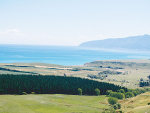
Push Feed Forward: Spring Nitrogen Tips for a Dry Summer
If you're thinking about investing in ways to push feed forward, this is the year to do it.
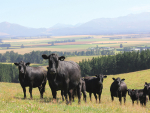
BVD Control Begins Long Before You See A Problem
Bovine Viral Diarrhoea (BVD) is sometimes viewed as a dairy industry issue, but the reality is that the disease can have serious consequences for beef breeding herds as well.
Inside the Southland Dairy Farm Where Robots and Pasture Work Together
In Dacre, near Invercargill in New Zealand’s South Island, Bruce Dinnington is running a dairy operation unlike any other.
Massey Uses Portable Analyser to Measure Pasture Soil GHGs
Researchers at Massey University are using a special piece of scientific equipment to improve the measurement of greenhouse gas emissions from pasture soils.
New Reviva Forage Rape Wins Over Dryland Farmers in First Year
It's only just hit the market, but a new forage rape bred for dryland farms has already won the approval of lambs and young cattle both north and south.
Farm Health
Refresh Parasite Management in the New Season
Drench Options are become increasingly limited for sheep farmers, highlighting the importance of proactive parasite management planning within the wider…
Planning Next Year's Winter Forage Crops: What B+LNZ Wants Farmers to Consider
As farmers begin thinking about establishing next year’s winter forage crops, Beef + Lamb NZ is encouraging farmers to carefully…QuadSense Mastitis Screening Sees 50% NZ Sales Growth
Animal health company Bovonic is gearing up for its next stage of growth after increasing New Zealand sales of QuadSense…Mary Bowron Named Best Sheep and Beef Vet of the Year
B+LNZ's Wormwise veterinarian Mary Bowron has won the Best Sheep and Beef Vet of the Year Award in recognition of…Beef + Lamb NZ's Lambing Kit Checklist for a Tough Season
With lambing underway in many regions, Beef + Lamb New Zealand is encouraging farmers to put together a wellequipped lambing…Machinery & Products

Makita Launches GP001G 40VMax XGT Cordless Grease Gun
Power tool manufacturer Makita has released details of its new cordless GP001G 40vMax XGT grease gun, designed as a practical…
Fendt 832 Vario Sets DLG PowerMix Fuel Efficiency Record
Operating large tractors became more expensive back in March due to the ongoing Strait of Hormuz conflict, meaning contractors had…Motueka Farm Machinery Sold as Sturgeons Retire After 44 Years
Close to the Abel Tasman and Kahurangi National Parks, Motueka is known for apples, pear and kiwifruit orchards, alongside specialised…Can-Am Unveils 2027 SSV, ATV Range With New Defender HD10
Can-Am has introduced its 2027 range of side-by-side vehicles (SSV) and all-terrain vehicles (ATV), including the industry leading Defender, the…NZ Technicians Honoured at 2026 John Deere Awards in Brisbane
Leading John Deere technicians and apprentices from New Zealand and Australians were recognised at the recent sixth annual JD Technician…Motoring

Subaru New Zealand Unveils All-Electric Trailseeker SUV Ahead of September 2026 Launch
Subaru New Zealand has announced the all-new, all-electric Trailseeker will join its SUV line-up in September 2026.
Toyota Hilux Celebrates 50 Years in New Zealand with New BEV Model
Since arriving on New Zealand’s shores in 1976, the Hilux has been seen of farms, building sites and back roads,…Kia Tasman ute launches in NZ
Stepping into the already crowded ute market, it’s important to bring your best game. Kia look to have done just…Ford's new addition
Ford New Zealand has announced the addition of the Everest Tremor as a rugged and capable expansion of its hugely…Big tick for a big truck
Electric cars and big American trucks can both bring a little anxiety, but for different reasons.» Latest Print Issues Online



The Hound

'LinkedIn Greens'
OPINION: The same mainstream media muppets that brought you Jacindamania in 2017 have been flat out pimping for the Opportunities…
UK Warning
OPINION: Your old mate reckons the atrocious way farmers in the UK are treated by their lords and masters in…
» Connect with Rural News
» eNewsletter

Popular Reads
Rabobank: China Quotas, Brazil Risk to Reshape Beef Trade
Chinese beef trade quotas and a looming suspension of Brazilian beef imports into the European Union are expected to reshape…
Why This Canterbury Cropping Farm Converted to Dairy
Converting a longstanding cropping farm to dairy was the only way to ensure the land stayed in the family long…
Peters Targets Fonterra
OPINION: Get offside with New Zealand First leader Winston Peters at your own peril.
