A new Zealand-based company researching alternative uses for a by-product from cheesemaking has its sights on developing it into a remedy for people with type 2 diabetes.
WheyTech Bionics NZ is partnering with the Ministry for Primary Industries (MPI) on a two-year project that aims to develop technology to process whey permeate as a sweetener product with anti-diabetic properties.
Whey permeate is a byproduct from the cheesemaking process.
“An existing patent from Germany shows the high levels of glucose in whey can create a sugar with properties that are anti-diabetic,” says Steve Penno, MPI’s director of investment programmes.
WheyTech Bionics has access to this patent.
“Part of the project’s research and development process will involve exploring the manufacturing and efficacy of an equivalent product made from New Zealand whey,” says Penno.
Through the Sustainable Food and Fibre Futures fund MPI is committing more than $111,000 to the $277,903 project.
WheyTech Bionics NZ’s chief executive officer Ben Van Rooy is excited about the potential of whey.
“We need to stop overlooking whey, as it’s a marvellous product,” he says.
“We already have significant support from many quarters, in particular beverages companies keen to try alternative sugars. Also, the chocolate and bakery sectors are interested in replacing what we know as normal sugars with whey-derived product.
“Currently there are no New Zealand made sweeteners on retail shelves. The imported sweeteners often have artificial ingredients added that don’t have any health benefits. This gap in the market presents a real opportunity.”
 |
|---|
|
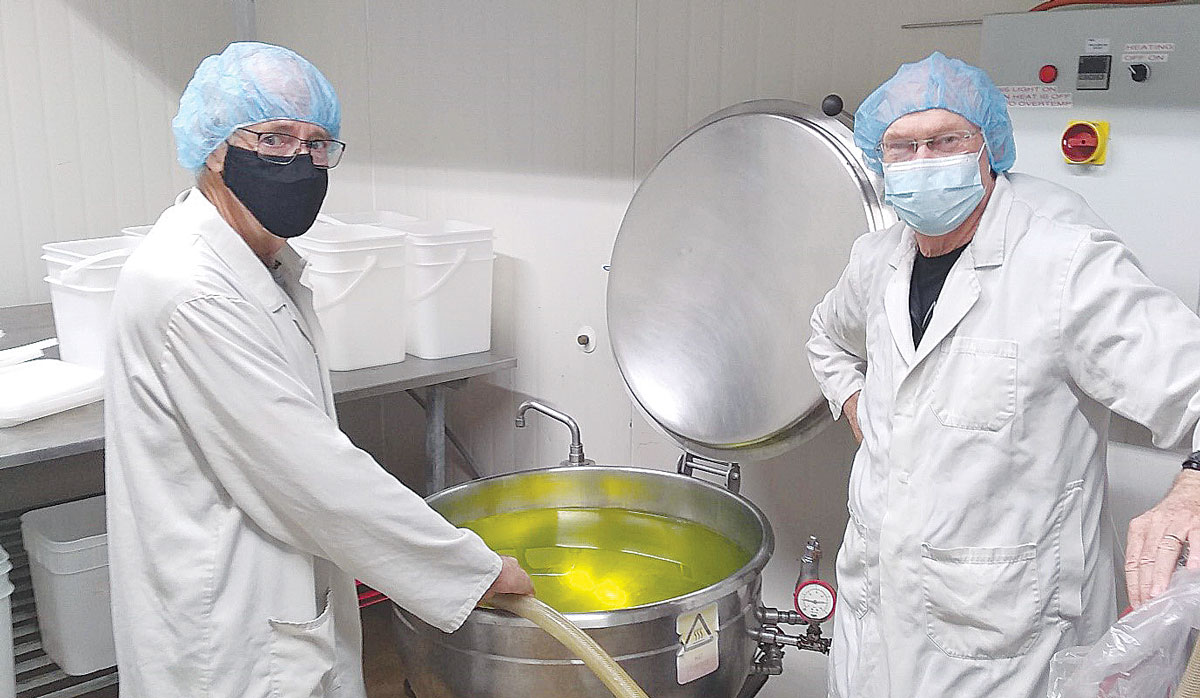
WheyTech scientists working with whey.
|
Milk producers from Canterbury, Hamilton, and Tauranga are providing raw product for the trials, which are being conducted by Plant & Food Research in Palmerston North and Food- South at the University of Canterbury.
“We’ve already managed to make a liquid syrup but we’re still working on the flavour profile,” says Van Rooy. “We’re also conducting research to ensure our product is stable and consistent.
“Our next challenge will be to turn the product into a stable powder format that can be used in nutraceuticals. This will be technically tricky due to its stickiness but if we manage to achieve this, it’ll be a world first.”
Van Rooy says the most valuable part of the project lies in the nutraceutical component of the product.
“We’re hoping to eventually create a pharmaceutical product that doctors will prescribe for type 2 diabetes. Of course, this will require extensive testing and clinical trials so will be a few years away – but this is my ultimate dream.”
Steve Penno says the opportunity to make good use of a common waste product is also a compelling reason to support this project.
“One of the strategic objectives of the Fit for a Better World government and sector roadmap is the sustainable and profitable growth of value-added products from existing raw material.
“If this project is successful it will make a positive difference to our dairy industry, our environment, and potentially people with type 2 diabetes.”