Fall Armyworm in NZ Maize: Four Years of Research
Four years since it was first detected in New Zealand, researchers and growers now know much more about management of maize pest fall armyworm (FAW).
 increase font size
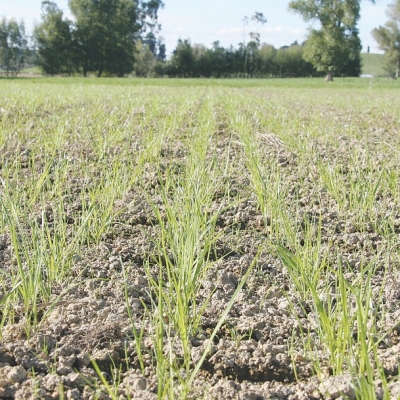 There are benefits to sowing early.
New research confirms it’s better to sow treated pasture seed early in dry autumns instead of waiting for rain before planting, says seed supplier Agriseeds.
Benefits include faster pasture establishment, higher DM yield and potentially better pasture persistence, and it’s easier to get a contractor. It all helps get a head start on feed recovery after drought, says the company’s agronomist Will Henson.
“Last year many farmers did not sow while it was dry. When the rain came in April, it kept raining on and off for three weeks; contractors were working 24 hours a day but couldn’t keep up.”
Questions arise about early sowing, the company says, e.g. how well do seed and endophyte survive in hot, dry soil? And is there possibility of poor establishment?
In a replicated trial near Cambridge last autumn, Trojan perennial ryegrass with NEA2 endophyte was sown on three dates: February 20, March 20 and April 27. All seed was treated to protect it from insects and disease.
The first sowing was in dry conditions, and seed sat in the soil with no sign of germination until 45mm of rainfall on April 4, 43 days later.
“We deliberately chose dark peat soil for this trial, because it is known to reach high temperatures in late summer and early autumn,” Henson says.
At the seed sowing depth, the soil temperature at 10am on February 20 was 49.1°C. On March 20 it was 41.7°C and on April 27 it was 27.0°C.
Seed sowed early established quicker and grew more, Agriseeds says. The February and March sowings grew 2t DM/ha more than the April sowing (5.8t versus 3.8t), measured over five grazings from May to October.
Four years since it was first detected in New Zealand, researchers and growers now know much more about management of maize pest fall armyworm (FAW).
Generative AI in the workplace, trials in the field, and industry-relevant research took centre stage at this year’s Grape Days events in Central Otago, Hawke’s Bay and Marlborough.
A new publication has been launched that offers a comprehensive and up-to-date resource on commercially available grazing pasture species in New Zealand.
New Zealand farmers know that pastoral fortunes can shift rapidly once summer’s extreme dryness gives way to cooler, wetter autumn conditions.
Scientists from the Ministry for Primary Industries (MPI) are part of an international team working to develop a low-cost diagnostic tool that could significantly improve food crop production in developing countries.

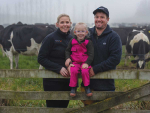
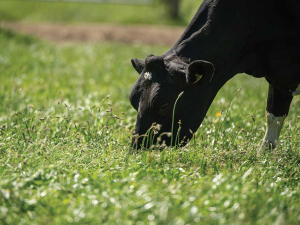
Farms across the upper North Island are trialling different pasture mixes as part of a research programme that aims to build greater resilience into farming systems.
Election years are always a concerning time for farmers, according to DairyNZ chair Tracy Brown.
The Ballance Farm Environment Awards are coming to the West Coast of the South Island.
Most dairy regions around the country have had a pretty good season so far says Tracy Brown.
Rural leader Mark Hooper has been appointed as an independent director to the NZPork board, bringing extensive farming, governance and advocacy experience to the role.