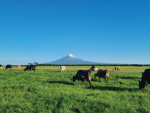
As temperatures rise, our cows face the challenge of maintaining production and health while battling the heat.
Heat stress doesn’t just affect cows’ comfort – it directly impacts milk yield, reproduction, and overall wellbeing. One of the most effective ways to prevent the worst effects of heat stress is ensuring cows have the right balance of minerals before the hottest months arrive.
Effects of heat stress
Cows begin to experience heat stress when temperatures reach around 20°C, especially in high humidity. Cooling themselves down causes their metabolic and nutrient demands to increase, leading to changes in mineral requirements. Heat stress causes cows to sweat more, lose electrolytes, and reduce their feed intake, which results in lower intake of essential nutrients. If these losses are not replaced, cows will struggle to maintain milk production, fertility, and overall health.
Key minerals to manage heat stress
Many farmers reduce mineral supplementation over summer, but this can be harmful to the cows’ health and performance. There are several minerals cows need to be able to effectively manage heat stress and maintain productivity.
Sodium and potassium
Sodium and potassium, two of the most important electrolytes lost through sweat, help regulate fluid balance and maintain proper nerve and muscle function. As cows sweat more, they lose more sodium and potassium, which can lead to dehydration and reduced milk production. Supplementing these minerals in the weeks leading up to summer prepares cows for higher electrolyte losses.
Read More
Magnesium
During heat stress, magnesium requirements increase, especially if they are consuming more grass, which may already be low in magnesium. Ensuring cows have adequate magnesium before summer helps maintain proper muscle function, including the muscles involved in digestion and milk production.
Zinc
Zinc is known for its role in maintaining skin integrity and supporting immune function. This is especially important over the hotter months when cows are more prone to hoof problems and infections due to the stress of heat and walking longer distances to graze. Zinc supplementation before the onset of summer means cows will have adequate stores to support immune function, reducing the risk of infections and helping maintain production under stressful conditions.
Selenium
Selenium works to protect cells from oxidative damage, particularly during times of stress. Selenium deficiency can be an issue during heat stress, as selenium supports the liver and the liver works much harder in heat stress conditions. Because our soils are naturally low in selenium, it’s important to supplement well ahead of summer to build up reserves in cows’ systems.
Other additives
Ingredients such as seaweed extract, toxin binders, chromium propionate, and live yeast have all clearly shown in trial work to reduce the effects of heat stress in dairy cattle.
Pasture grasses under dry and heat stress are prone to build excessive toxin levels on the leaf. These toxins further exacerbate heat stress in animals. Using a very basic toxin binder can be a game-changer.
Under heat stress, cows struggle to maintain good rumen balance and function. A live yeast can make a big difference in these conditions.
Timing mineral supplementation
Farmers who start and continue mineral supplementation before and during the hottest months give their cows a better chance at maintaining health and productivity.
Assess mineral levels: Testing bloods and livers will identify any deficiencies early on. Starting mineral supplementation two to three months before the peak heat stress period will give cows time to build up adequate reserves.
Use targeted supplements: Choose mineral blends that are specifically formulated for summer conditions and dose consistently, especially when pasture quality is low.
Monitor regularly: Monitor cows closely for signs of heat stress and adjust supplementation if needed. Make sure cows always have access to cool, fresh water, as hydration plays a significant role in how well cows can utilise minerals like sodium and potassium during heat stress.
With summer fast approaching, the risk of heat stress becomes a major concern. Getting ahead with mineral supplementation has several long-term benefits for dairy herds, including improved milk production, better reproductive performance, and stronger immune systems.
Chris Balemi is Agvance Nutrition founder and managing director