Everyone from experienced veterinarians and young professionals to the Wormwise programme and outstanding clinics have been recognised in this year’s New Zealand Veterinary Association Te Pae Kīrehe (NZVA) awards.
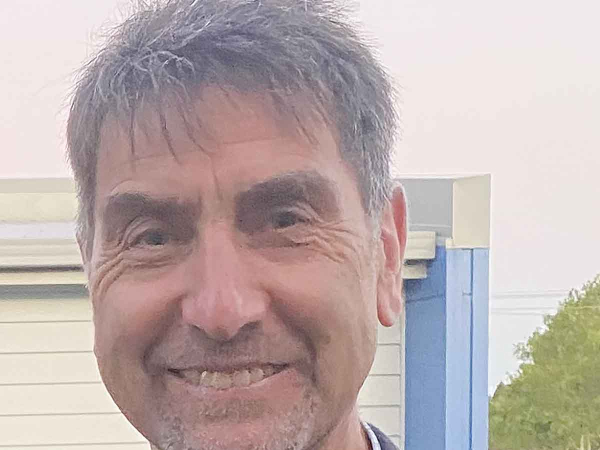
As part of a series looking at this year’s rural winners, Leo Argent talked with Mark Bryan, winner of the President’s Award for his meritorious career work in the veterinary profession.
You first started off in the UK before coming to New Zealand permanently. How did that come to be?
I qualified as a vet in Glasgow in 1988 and spent about 7 years in the UK before I moved out to NZ in 1995, and since 1997 I’ve worked down in Southland.
I used to be a very keen mountaineer and first came out here in 1989 because I had some mountaineering friends. I spent 6 months climbing the Southern Alps over winter and whilst I was travelling around I bumped into and met people… it also had some good vet practices. So, I thought I must come back to New Zealand. I went back to my job in the UK and finally in 1995 managed to get a job out here. For 6 months initially, then 12, then I never left.
Tell us about some of the positions you have held over these years.
I volunteered in various roles at the New Zealand Veterinary Association (NZVA) for over 20 years, starting on the Dairy Cattle Veterinarians (DCV) committee. I joined their committee about 20 odd years ago and was on the committee for 9 years, three rotations of three years. Then I was elected to the NZVA board (same rotation of three lots of three years).
In the meantime I was also on the NZVA’s antimicrobial resistance committee as the chair. I stayed on as the chair for a couple of years and just last year stepped down from that role. I’m still on that committee but I don’t have a chair role. In each case it’s a voluntary role, normally made up of practicing vets and clinicians but sometimes it might be people from industry or MPI.
How has the veterinary profession evolved over the last 20 years?
Even just talking about my 9 years on the DCV board, we went through a period of a significant number of inductions performed each year as part of standard practice to a place where we didn’t do any, or very few. That was a real step change for the industry and the profession, trying to get our heads around some of those changes.
More recently we’ve been moving down a path of a more careful use of antimicrobials, obviously recognizing the resistance risk is significant globally. We’ve been moving to ‘how can we prevent disease’ rather than just treat disease, so there’s been a greater focus on vaccinations and preventive management.
We had a goal in 2015 to significantly reduce antimicrobial use over the years to 2030. We’ve already halved our antibiotic use- and we were already the third lowest user for animal antibiotics in the world. Probably the most significant impact has been social media. That’s obviously had some good aspects but also some quite challenging aspects for the profession in terms of some of the feedback we get and the environment that creates.”
Does the veterinary and animal health profession encounter social media disinformation to the degree that is seen in human health (e.g. vaccine related autism)?
It’s less common amongst farmers, who have seen disease in their stock over the years and are very appreciative of all the initiatives around preventative animal health. [But] amongst pet owners there’s probably not that experience. Most pet owners, even if they’ve had a number of pets for 30 years, wouldn’t have experienced the trauma of parvovirus, for example. It’s only a small number of clients but certainly there are some out there with a different perspective.
What have your observations been on the shortage of vets in the rural sector?
It certainly isn’t straightforward in terms of getting vets into rural areas. Obviously, a lot of vets like to be in the cities; there’s more support and they often have after hours services so you might not need to do after hours work, which isn’t an option in rural areas. I think the opposite is true - being a rural vet is absolutely fantastic. You become part of an outstanding community and most of our young vets and students that come and experience work in a rural community find that really positive. 15 years ago, we set up a programme of a weeklong visit from students at Massey to come down to Southland over the winter, experience a different type of farming and lifestyle that they may not have been exposed to. I think that’s helpful for the students, exposing them to that sort of opportunity.
You are involved with the XLVets group. Can you tell us more about that?
XLVets was set up in the UK by a friend of mine about 20 years ago as a group of vet practices working together to share ideas and resources. As vet practices, we’re not good in working together, we tend to often be isolated rurally doing what we do. About 10 years ago I approached the head of XLVets in the UK to set up a New Zealand network. We wanted to develop an animal welfare plan for dairy farmers so we set up a program called WelFarm, which any vet or farmer in the country can have access to. That’s a standalone programme now.
One of the other winners of an award this year was Neil Chesterton who specialises in the impact of lameness in cattle plus the causes and prevention thereof. Have you had previous interactions with Chesterton?
I’ve known Neil for many years, he’s well deserving of that award. We’ve had him here talking to our trainee vets on many occasions and we’ve had him to farmer events. That’s the sort of thing Neil does across the country; he’s a fantastic communicator and educator. He’s a real diamond in the profession for New Zealand.