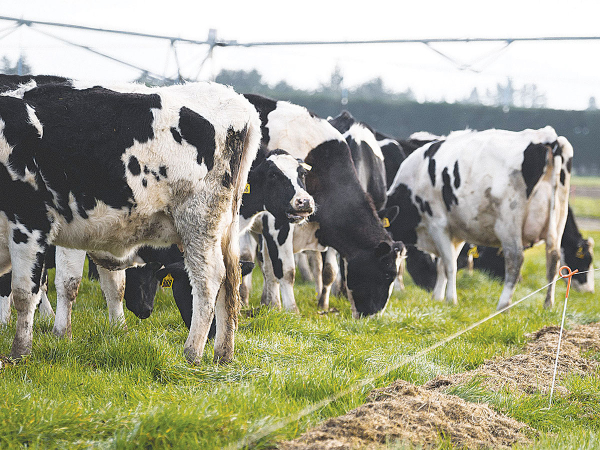
Understanding the nutritional needs of springer cows is crucial for ensuring a successful transition resulting in improved cow health, productivity, and reproductive performance.
During the transition period, the cow’s dietary requirements undergo significant changes, making proper supplementation essential. In particular, springer cow feed supplements play a pivotal role in meeting their mineral requirements and minimising the risk of metabolic diseases.
Assessing the feed risk
When formulating diets for springers, it’s essential to formulate minerals that will stimulate calcium uptake and target the risk of metabolic disease at calving. Pasture, while abundant in spring, poses the highest risk due to its high potassium content. On the other hand, hay and silage, particularly maize silage, present a lower risk and serve as valuable components of the springer’s diet.
Understanding nutrient proportions
Breaking down diet formulation involves careful consideration of various factors, including energy, protein, and fibre content. Springer cows require an energy component ranging from 100 to 120 megajoules, along with a protein content of approximately 14%. Fibre is critical as it aids in maximising rumen capacity and helps regulate metabolisable energy (ME) levels. It is most important that cows are fed well before calving so they will have developed good rumen capacity prior to lactation.
One of the most critical aspects of springer cow nutrition is mineral supplementation. Phosphorus, calcium, and magnesium are essential minerals that play key roles in minimising metabolic diseases, maximising milk production, and aiding in successful reproduction. As well as containing adequate levels of these minerals in the diet, a successful transition feeding program ensures the stimulation of hormone release required to draw these minerals into the bloodstream.
Herbage analysis insights
Conducting herbage analyses on pasture, silages, and other components of the diet gives farmers valuable insight into the nutrient proportions of the diet. From here, mineral supplementation DCAD can be calculated accordingly. With this information, farmers can then tailor a mineral supplementation plan to their springer mob’s needs.
Ideal mineral levels and supplementation
Providing a calcium, magnesium, and phosphorus supplement is vital for supporting the health and performance of springer cows. By addressing their specific mineral needs and minimising the risk of metabolic diseases, farmers can promote smooth transitions, maximised milk production, and enhanced reproductive success.
Strategic supplementation for springer success
Understanding the importance of mineral supplementation in springer cow nutrition is essential for optimising herd health and productivity.
By carefully formulating diets, assessing feed risk, and providing targeted supplementation, farmers can ensure their springer cows succeed during the critical transition period and throughout the season.
Article by Agvance Nutrition