BCS Targets: Why Body Condition Score Matters at Calving
Body Condition Score (BCS) is a critical element in managing the health and reproduction of the dairy herd.
 increase font size
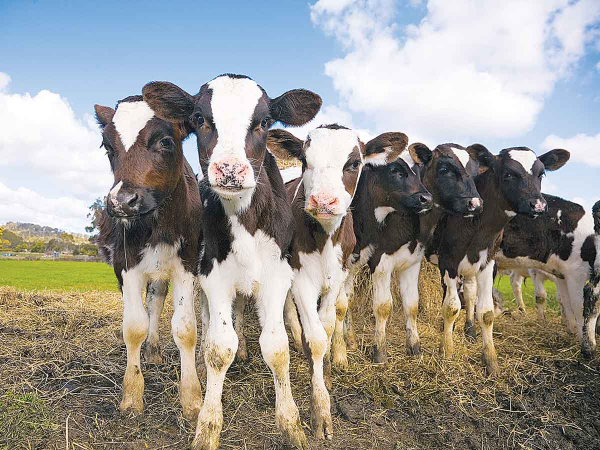 Failure to comply with your NAIT obligations may result in fines or prosecution.
Follow this advice when buying or selling calves.
The management and movement of calves are critical for disease management, with an estimated 1.5 million calves reared annually in New Zealand, says Ospri.
To ensure lifetime animal traceability and to support disease management, all newborn animals (calves) must be tagged and registered in NAIT within 180 days or before their first off-farm movement.
Failure to comply with your NAIT obligations may result in fines or prosecution issued by the Ministry for Primary Industries.
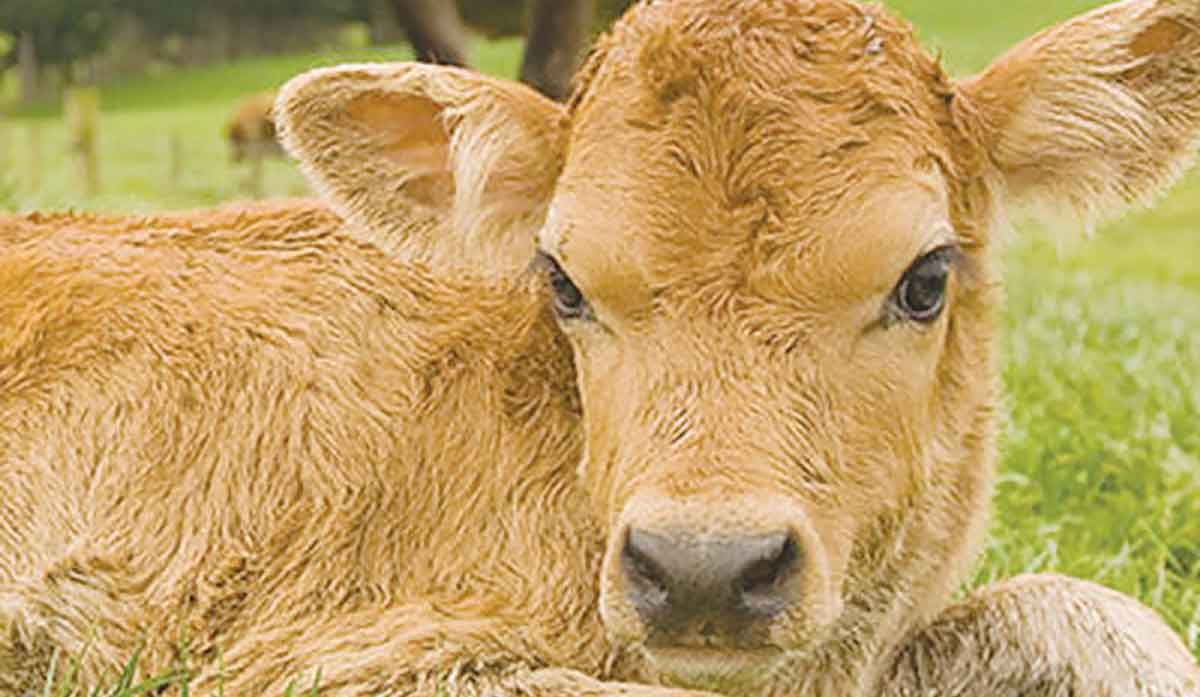
Ospri advises that when selling calves, they must be tagged correctly, for a higher retention rate.
It also wants farmers to register their calves online.
“Tell us which tags you have used in your NAIT account. This must be done before sending animals off-farm.
“Record a sending movement within 48 hours after you have sold calves or moved off-farm for rearing – except when sending to a saleyard.”
 |
|---|
|
Bobby calves moved direct to slaughter are exempt from NAIT. |
When buying calves, confirm with the seller that the calves have been correctly tagged and are registered in the NAIT online system, Ospri says.
“Ask the seller for an Animal Status Declaration form (ASD). This form should be exchanged with the animals at the point of sale.
“When the calves arrive, read their NAIT tag numbers visually or electronically with a scanner.
“You will need this information to record or confirm a movement in your NAIT account. Record a receiving movement.”
Bobby calves moved direct to slaughter are exempt from all NAIT requirements.
Ospri urges farmers to check with their meat processor about their requirements for accepting bobby calves.
Body Condition Score (BCS) is a critical element in managing the health and reproduction of the dairy herd.

OPINION: It's no surprise that "world-class biosecurity" continues to dominate as the top priority for agribusiness leaders, holding the number one spot for the 16th consecutive year in KPMG's latest agribusiness report.
Giving calves the best possible start to life has been shown to boost growth and resilience.
Moving Day (June 1) is just around the corner and farmers who are moving farms with the herd are being urged by Ospri to start preparations now.
The first weeks of a calf's life quietly shape the future of the entire herd.



Now in its fourth year, the 2026 Fencing Industry Awards, formed part of the proceedings of the FCANZ Conference, held in Nelson during August.
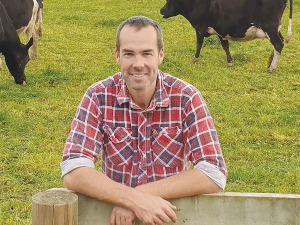
DairyNZ deputy chair Cameron Henderson has been re-appointed unopposed for another term.
OPINION: The stats speak for themselves.
Farms across the upper North Island are trialling different pasture mixes as part of a research programme that aims to build greater resilience into farming systems.
Election years are always a concerning time for farmers, according to DairyNZ chair Tracy Brown.
The Ballance Farm Environment Awards are coming to the West Coast of the South Island.