BCS Targets: Why Body Condition Score Matters at Calving
Body Condition Score (BCS) is a critical element in managing the health and reproduction of the dairy herd.
 increase font size
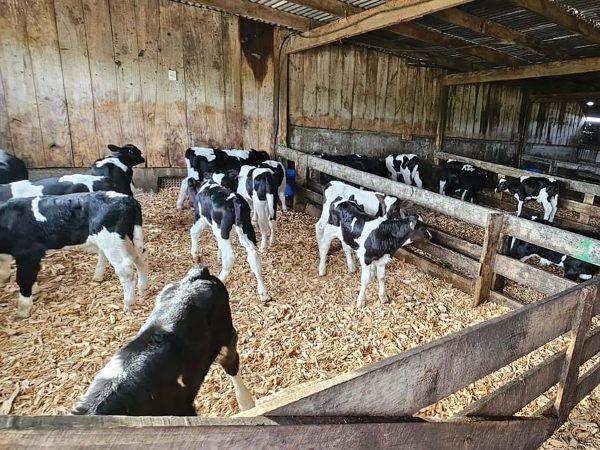 Goodwood NZ says its animal bedding range creates a healthier, drier environment for livestock.
In calf rearing, the smallest details often have the biggest impact. While feed and genetics remain critical, bedding is increasingly recognised as a key driver of calf health, growth, and overall performance.
Animal bedding products maker Goodwood NZ says their focus is on delivering bedding solutions that are not only practical but proven to perform in real farm conditions.
Goodwood says its animal bedding range has been developed with one clear goal – to create a healthier, drier environment for livestock. Their Premium Kiln-Dried Animal Bedding is at the centre of this offering.
Through a controlled drying and processing system, the product achieves exceptional absorbency while significantly reducing moisture retention.
The result is a bedding material that actively helps lower the risk of common calf health issues, including scours and respiratory challenges.
What sets this product apart is not just dryness, but consistency, it says.
Each load is processed to a uniform standard, ensuring farmers can rely on the same performance every time.
“Combined with excellent odour control and reduced ammonia build-up – particularly when compared to traditional sawdust or shavings – this creates a noticeably cleaner and safer environment for young stock.”
Beyond calf sheds, Goodwood has expanded its offering to meet the wider needs of modern dairy systems.
Their Compost Barn Blends are designed to support optimal aeration and moisture balance, helping maintain ideal bedding conditions in high-use environments.
For stand-off pads, Goodwood says that it provides cost-effective bedding options that deliver strong absorbency and durability, giving farmers flexibility without compromising on quality.
Ease of use is another critical factor. Goodwood bedding is easy to spread, simple to manage, and efficient to remove. Its low-waste, long-lasting performance means less frequent replacement, reducing both labour and overall costs – a practical advantage on busy farms.
Behind the product is a process grounded in sustainability and purpose.
Goodwood utilises recycled untreated wood, transforming it into high-performance bedding. This approach diverts waste while creating a circular system where used bedding can be repurposed as compost or soil conditioner.
Service is also central to the Goodwood offering, the company says. With operational yards in the Bay of Plenty and Waikato, the business provides reliable, responsive delivery and works closely with farmers to deliver tailored solutions.
As calf rearing practices continue to evolve, the importance of bedding is becoming harder to ignore. A dry, hygienic environment sets the foundation for healthier animals and stronger long-term performance.
Goodwood says its range reflects a shift toward smarter, more effective farm inputs – built for the future of dairy farming in New Zealand.
This email address is being protected from spambots. You need JavaScript enabled to view it.
Body Condition Score (BCS) is a critical element in managing the health and reproduction of the dairy herd.
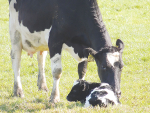
Giving calves the best possible start to life has been shown to boost growth and resilience.
The first weeks of a calf's life quietly shape the future of the entire herd.
For decades, probiotics in calf rearing have been treated as a reactive tool – something to reach for when illness strikes. That thinking, according to Matt Collier of Probiotic Revolution, is leaving significant money on the table.
When a cow goes down after calving, it is easy to blame the calving itself. Milk fever, calving stress, poor weather, bad luck. Yet many down cows are not caused by one dramatic event. They are the end result of poorly transitioned cows entering calving under nutritional pressure.



LIC shareholders have elected a new North Island representative to the co-operative's Board, along with five representatives to its Shareholder Reference Group (SRG), following the company's Annual Meeting held in Invercargill.
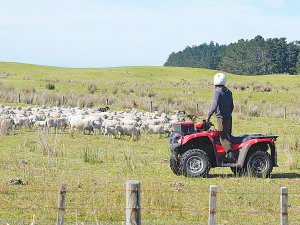
Farmers across parts of Southland and South Otago are continuing to deal with difficult conditions after a prolonged run of wet weather, with pressure building around feed supply, stock management, pasture damage, farm infrastructure and everyday workloads.
Federated Farmers says it welcomes Labour's commitment to reviewing the Sharemilking Agreements Act, calling on other major parties to do the same.
For Canterbury dairy farmers Sian Meijer and Rick Wobben, wearable technology has become one of their most valuable on-farm tools - helping manage 1850 cows across an expansive, high-performing dairy operation while improving efficiency, mating outcomes and day-to-day decision making.
Fonterra has unveiled its annual results for the 2026 financial year, posting $27 billion in revenue and close to $20 billion returned to New Zealand farmer owners and unit holders.
The first major update to the Dairy Cattle Code of Welfare in more than a decade has been released, marking what DairyNZ describes as an important step in ensuring animal welfare standards continue to evolve alongside scientific evidence and on-farm realities.