Giving calves the best possible start to life has been shown to boost growth and resilience.
There’s also emerging evidence that access to more milk from the very start can improve first-lactation performance.
Scientists are still exploring exactly why this happens, but it’s thought that early nutrition helps calves’ mammary development and sets up their metabolism for stronger growth later.
DairyNZ Highlights Importance Of Strong Calf Rearing Foundations
Farmers tend to adapt calf-rearing practices to what best suits their operation, but there are some fundamentals many prioritise to establish the foundations of healthy, productive animals, DairyNZ’s senior animal care specialist Penny Timmer-Arends explains.
“We know farmers take great pride in their livestock and strive to do the right thing,” says Timmer-Arends.
“Every farm will do things slightly differently to rear good calves depending on their people, shed set-up and equipment, and every calf-rearer has some key things that are really important to them.
“Doing the fundamentals well sets the animals up for good future productivity.”
Warm, Dry Conditions Still Critical
Some principles haven’t changed, like having draught-free sheds and dry bedding to keep calves warm.
Others have come to light more recently, including the importance of good colostrum management.
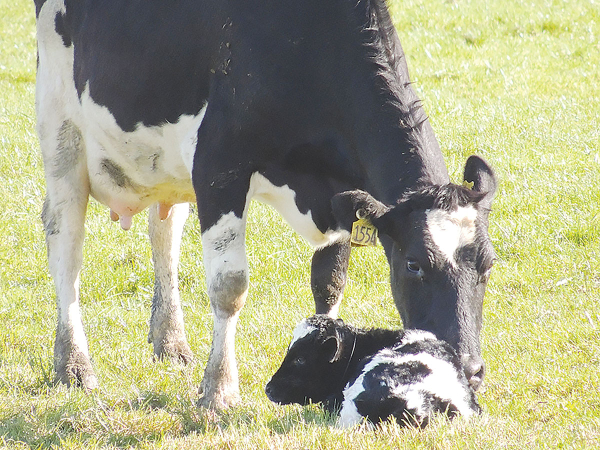
“Early colostrum is so important for calves to get the passive transfer of antibodies, which helps them respond to disease challenges until their own immune system is up and running,” she says.
“The cow’s very first milk is rich in antibodies, and it’s so important to get it into the calf within about 12 hours to get the passive transfer of immunity.”
Gold (First Milking) Colostrum
This is the highest quality colostrum and should be fed to newborns, but quality can vary. Brix refractometers can be used to measure the antibody level in colostrum.
Gold colostrum that measures 22% or more is considered high quality. For the best results, the highest quality colostrum you have available should be fed to newborns.
Science shows that giving calves more milk early boosts growth and resilience, with benefits that can carry through to later performance.
“There’s emerging evidence that by feeding more frequently, it’s better for the wellbeing of calves and can impact future productivity over an animal’s lifetime.”
The link between higher weight gain before weaning and more milk in the first lactation is well proven in overseas systems. There’s been less research in New Zealand, but a seven-year trial led by the Bioeconomy Science Institute (formerly AgResearch) has found similar results. Scientists are still working to fully understand why, but early nutrition is thought to switch on mammary development and body tissue metabolism, leading to greater milk production in heifers.
Article - DairyNZ