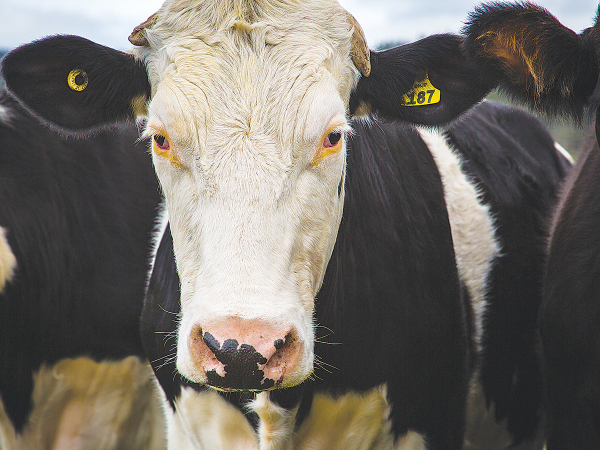
A hefty court fine over a National Animal Identification and Tracing (NAIT) breach should send a strong message to all farmers, says Ministry for Primary Industries (MPI).
Rangitoto Dairies Ltd, Waikato, was fined $32,500 over its failure to notify NAIT that it was moving 910 cattle onto its farm. The NAIT scheme, which maintains a national database of cattle and deer movements, is a critical part of New Zealand’s ability to respond quickly to biosecurity threats.
Rangitoto Dairies, which operates a dairy and beef farm business at Te Kuiti, earlier pleaded guilty to one representative charge under the National Animal Identification and Tracing Act 2012. It was sentenced at the Te Kuiti District Court on July 25.
Inquiries by Ministry for Primary Industries NAIT officers found the company’s registered person in charge of animals (PICA) for the farm had failed to declare to NAIT that it received 910 cattle from 82 separate movements onfarm between 1 July and 18 October 2020. The company was responsible for the failure of its employee because it did not ensure its employee fully understood the obligations of a PICA and failed to put adequate measures into place to catch any mistakes or failures by the employee or other staff involved in receiving the animals to meet NAIT obligations.
“This was hundreds of animals and it only takes one animal to potentially cause a biosecurity problem, as we have learned from our experience with Mycoplasma bovis,” says MPI’s acting regional manager of animal welfare and NAIT compliance, Stefan Halberg.
“We understand this is the largest NAIT sentence that has been handed down by the courts to date. It should send a strong message to all farmers and businesses with NAIT animals – compliance with the system is a top priority.
“Compliance with the NAIT system ensures we can trace animal movements. This is critical to our ability to act quickly and effectively in the event of an unwanted biosecurity incursion.
“When a person or company in charge of animals fails their NAIT obligations, they potentially put the whole sector at risk.
“The stakes are very high, and we take noncompliance seriously because of the potentially devastating effect biosecurity threats can have on industry and communities. People in charge of animals must ensure they’ve tagged and registered their NAIT animals. If they’re going offfarm to a meat processor or another farm, or if the animals are coming onto the farm, they must declare these movements to NAIT within 48 hours.”
Part of Rangitoto Dairies’ operation includes buying young calves from about 50 dairy farms, which they then rear and wean. These weaned calves are sold to other farms.
When new calves arrived on-farm, staff were expected to scan the NAIT tags and download them into the database. However MPI’s investigation found this wasn’t happening consistently and that Rangitoto Dairies Ltd as an employer was aware that a breach could happen if these processes were not properly completed, but did not put in place adequate checks and balances to ensure this.
“The NAIT tag and registration system is only as effective as the information provided. If you are unsure about what you need to do, reach out. There is plenty of information, advice and support available,” says Halberg.