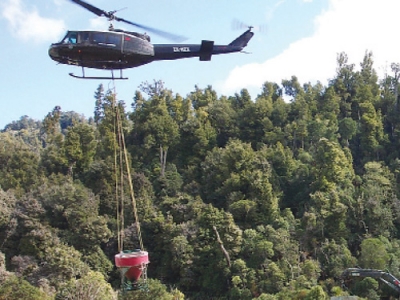
An aerial possum kill using 1080 poison is planned for the high Kaweka Range between Taupo and Hawke's Bay this winter, says OSPRI.
The work is planned for areas of the Kaweka Range where TB-infected wildlife has been found. Consultation and planning has been done with farmers, deer hunters, local iwi and groups which use the tracks in the Kaweka Forest Park.
Consultation has gone on since August 2015 with representatives of DOC, NZ Deerstalkers Association and Game Animal Council, neighbouring landowners, local iwi and residents. The timing has been agreed with DOC to coincide with changes in the winter feeding behaviour of wildlife.
The first drop will target an area of the Kaweka Range north-west of Napier, between the Mohaka River in the north and the Napier-Taihape road in the south. The area has east-facing slopes around the headwaters of the Tutaekuri and Donald Rivers in the south and steep gorges north of Makahu Saddle.
Matthew Hall, chief operating officer of OSPRI, says this is the first kill in this area, and it will help halt the spread of TB into neighbouring farmed cattle and deer, and help conserve native flora and fauna in the high country forest.
He says the steep terrain of the area makes access difficult and supports the use of aerial drops as the most effective method.
The June timing recognises the importance of the Kaweka for recreational deer hunting. "OSPRI has spent a lot on deer repellent bait for the operation," he says, "and the timing avoids the peak deer-roar hunting season."