Phosphorus (P) is critical for healthy plants to grow in New Zealand’s naturally P deficient soil, says Hamilton-based Soil Scientist Dr Gordon Rajendram.
However, the shifting of P from farmland soils to local bodies of water has become a serious environmental concern as too much P in waterways can cause the massive growth of aquatic plants and algal blooms.
Rajendram points to a recent article by Ballance science strategy manager Warwick Catto on the subject of P loss. He says the article states that P loss comes from many sources but the contribution from fertiliser can be easiest to address.
The two pathways of P loss have been identified as overland flow and leaching through the soil profile.
“P losses to the environment, from either of these sources, can also affect farm profits, so it’s smart business sense to minimise them where you can,” says Rajendram.
The article also recognised that reducing P loss within farm systems independent analysis identifies the use of low water-soluble fertilisers to be one of the least cost mitigations to achieve this.
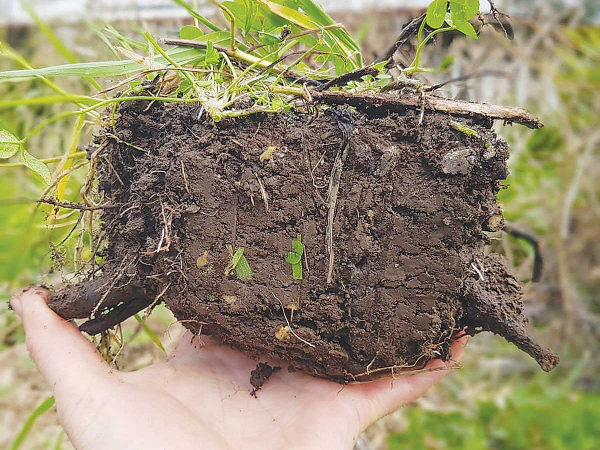
Rajendram says his own 2012 paper on P loss concluded that peat soils will lose more P than other soils.
“This is shown in my paper when I separate the four different soil types used for agronomic advice (ash, sedimentary, peat and pumice). It only needs 0.1kg of P in one hectare with 400mm of drainage to cause eutrophication.”
Losses in an AgResearch study showed on two peat farms losses were 5kg and 46 kg/ ha/year, and were directly related to P retention ability of the soils. There are other soil types around NZ with low phosphate retention ability which will be losing P readily.
“The issue lies in the fact that highly soluble P fertilisers are still being sold to peat soils in Waikato and Hauraki Gulf. And farmers are unaware of this issue,” says Gordon.
Using a lower water-soluble P fertiliser can reduce the loss of P into waterways. However, it is important to remember that fertiliser itself is only one facet of a good fertiliser management system. Ensuring that it is applied at the right time, place and rate is equally important.
Rajendram worked at AgResearch, Ruakura Research Centre, Hamilton for 22 years. He has developed two field calibrated soil tests (N & S) which are used for agronomic advice in New Zealand.
He now consults to farmers and fertiliser companies.