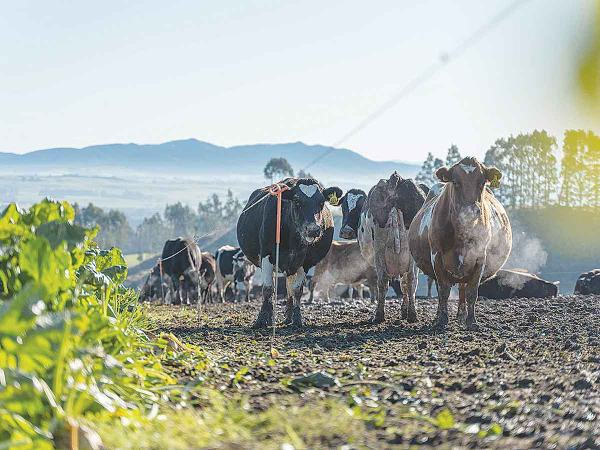
Wintering decisions shape the success of early lactation.
Poor nutrition through winter can lead to costly problems, including slow calving recoveries, retained membranes, ketosis, and subclinical milk fever.
Balancing energy and protein
Dry cows need a moderate- energy diet that maintains body condition without over-conditioning. If feeding fodder beet or brassicas, which are high in energy but low in protein, it is important to balance them with the right protein source, which can be based on either silage or hay, along with a well-formulated supplement. Research shows that a protein intake of around 12-14% is ideal for maintaining dry cow health and rumen function.
Cows in the early dry period can handle lower-energy diets, but in the final three weeks before calving, cows should receive gradually increased energy intake along with anionic salts so that the rumen is successfully conditioned to produce the energy required for calving and lactation. This has to be done carefully and in combination – incorrect feeding or over-feeding cows during the closeup period can lead to increased milk fever and ketosis.
Fibre and rumen health
Winter diets often differ significantly from lactation diets, making rumen adaptation critical. Sudden changes in feed type or quality can cause digestive upset, acidosis, and lower dry matter intake.
Cows need sufficient effective fibre to maintain a healthy rumen through winter. Feeding long-stem hay or straw alongside high-energy crops helps keep the rumen functioning properly and prevents digestive disorders. A good guideline is to ensure that at least 30% of the total dry matter intake comes from fibre sources.
For those wintering on fodder beet, keep in mind this feed is low in phosphorus and protein but high in sugar, making it easy for cows to over consume energy while missing out on essential nutrients. Slow adaptation, supplementing with phosphorus, and ensuring adequate fibre intake will reduce transition challenges.
Mineral supplementation: Preventing deficiencies and supporting calcium mobilisation
Winter diets can create hidden mineral imbalances that only become apparent at calving. Magnesium, calcium, phosphorus, and trace minerals are needed for good metabolic health, and deficiencies in these can increase the risk of milk fever, retained membranes, and poor reproductive performance later.
Magnesium – Essential for calcium mobilisation and deficiency in winter can increase the risk of clinical and subclinical milk fever at calving. Supplementing with magnesium chloride or magnesium sulphate is common practice in the lead up to calving.
Calcium – While dry cows should not be overfed calcium during winter, they must be primed to mobilise calcium efficiently at calving. An acid salt supplement (negative DCAD) in the last 21 days is very important to prime cows for effective utilisation of calcium and phosphorus in the lead up to calving.
Phosphorus – Winter crops like fodder beet are low in phosphorus. If cows are deficient, they may experience weak calving contractions, retained membranes, or poor early lactation appetite. Supplementing phosphorus is particularly important when fodder beet makes up a large portion of the diet.
Selenium, copper, and zinc – These trace minerals play a key role in liver and immune function, leading to later reproductive success.
Feed testing and adjustments
Winter feed quality varies, and cows may not be getting the nutrients they need. Testing silage, hay, and brassica crops allows for more precise supplementation, helping to fill gaps before they cause health issues.
Forage testing can highlight energy, protein, and mineral shortfalls so farmers can adjust supplementation early.
Feeding Strategies
Maintain consistent dry matter intake (DMI) – Cows should be consuming roughly two percent of their liveweight of dry matter per day through winter.
Adapt cows gradually to post-winter diets – Rumen microbes need time to adjust to new diets. If cows are transitioning from fodder beet or brassicas to pasture and supplement, introducing changes over at least two weeks will prevent digestive issues.
Avoid over-conditioning – Targeting a BCS of 5.0- 5.5 at calving is ideal. If cows gain too much weight over winter, reducing high-energy supplements while maintaining adequate protein and minerals can help keep them on track.
Provide adequate shelter and water – Cold stress increases energy demands, while limited water intake can reduce overall feed intake.
Winter prep pays off
A well-managed wintering plan makes all the difference to your transitioning cows. Balancing energy and protein, maintaining rumen health, and supplementing key minerals means farmers can reduce the risk of costly metabolic problems and support better milk production and fertility.