Four Candidates Confirmed for Fonterra Board Election
Four candidates have been confirmed for two director positions on Fonterra’s board.
 increase font size
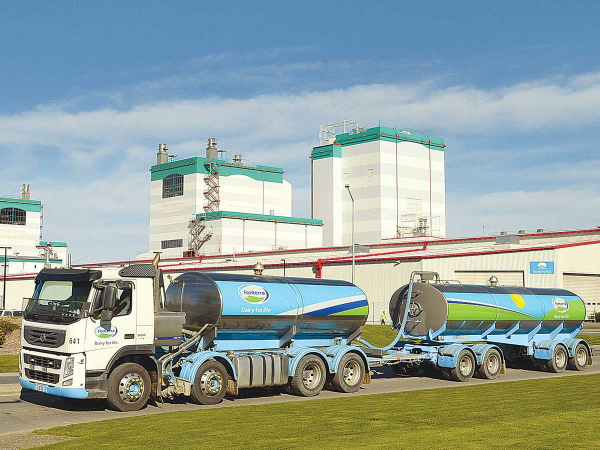 Fonterra's final 2022-23 season farmgate milk price is $8.22/kgMS.
Fonterra has announced a final 2022-23 season farmgate milk price of $8.22/kgMS and a full-year dividend of 50c.
This comes on the back of net profit of $1.6 billion and full year reported earnings of 95c/share.
The co-operative’s opening forecast farmgate milk price range for 2022/23 season was set at $8.25 - $9.75/kgMS, with a midpoint of $9/kgMS. However, falls in global dairy prices over the past 15 months forced Fonterra to revise its forecast milk price.
Fonterra chief executive Miles Hurrell says the co-op has delivered strong earnings and made progress against key strategic initiatives in FY23, however this has been against the backdrop of a farmgate milk price that has dropped across the season.
“Our 2022/23 season farmgate milk price was impacted by reduced demand for whole milk powder from key importing regions. As the financial year progressed, we saw Global Dairy Trade prices drop, with the average whole milk powder price down 16% compared to last season.
“We recognise the impact the reduced farmgate milk price has on farmers’ businesses and have utilised our strong balance sheet to introduce a new Advance Rate Schedule guideline to assist on-farm cash flow.
“However, we’re pleased to be announcing a strong full year dividend of 50 cents per share – comprising an interim dividend of 10 cents per share and a final dividend of 40 cents per share.”
In addition, the co-op returned tax free 50c/share to shareholders and unit holders in August, following the divestment of Soprole.
This gives a final cash pay-out to farmers of $9.22/kgMS for a share backed farmer, Hurrell notes.
Hurrell says its 2023 performance demonstrates that it is focusing on the right strategic priorities.
“This said, we are aware that there are challenging conditions on the ground for many of our farmers,” says Hurrell.
Fonterra’s reported profit after tax of $1,577 million was up $994 million. Excluding the net gain from divestments of $248 million, normalised profit after tax was $1,329 million, up $738 million compared to the same time last year. This includes the impact of impairments and is equivalent to 80 cents per share.
Hurrell says there were several key drivers that helped Fonterra deliver this result, including favourable margins in ingredients channel, in particular the cheese and protein portfolios.
“We also saw improved performance in our Foodservice channel due to increased product pricing and higher demand as Greater China’s lockdown restrictions started to ease from the start of calendar year 2023.
“Further, across the second half, the operating performance of our Consumer channel strengthened due to improved pricing. However, we adjusted the long-term outlook for our Asia Brands and Fonterra Brands New Zealand business, resulting in full year impairments of $101 million and $121 million respectively.
"We also recognised a gain on sale from our Chilean Soprole business of $260 million during the year,” says Hurrell.
Four candidates have been confirmed for two director positions on Fonterra’s board.
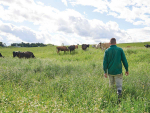
A record farmgate milk price and strong global demand is laying the foundation for continued growth of organic dairy farming in New Zealand.
Waikato milk processor Tatua has again declared a record milk payout to farmer shareholders, leaving other processors in the dust.
Fonterra has unveiled its annual results for the 2026 financial year, posting $27 billion in revenue and close to $20 billion returned to New Zealand farmer owners and unit holders.
Fonterra Co-operative Group has confirmed the independently assessed candidates standing for election to its board in 2026.


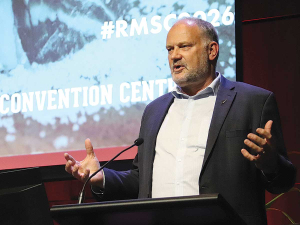
Good medium to long term prospects for NZ beef, especially in the US, has heighted the focus on various initiatives to capitalise on this situation.
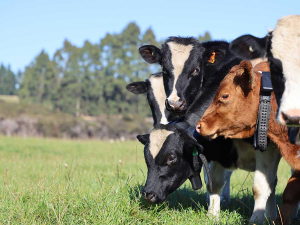
High country stations, mixed sheep and beef farms, Māori-owned farms, corporates and family operations are among the nine commercial farms taking part in the Livestock Innovation Farming Transformation programme, known as LIFT.
OPINION: New health and safety guidance unveiled by the Government recently provides farmers greater certainty about what is expected of them when managing risks on farm.
The National Animal Welfare Advisory Committee (NAWAC) is seeking public feedback on proposed changes to the Code of Welfare for Rodeos.
A New Zealand initiative supporting farmers to restore the health of grazing landscapes has received international backing through the Regenerative Fund for Nature, a global collaborative fund supporting regenerative agriculture and the communities that produce natural fibres for the fashion industry.
Combine premium New Zealand products, blend in a family ritual and what do you get? A world-class functional drink.