International Day of Rural Women: Two DairyNZ Farmers’ Stories
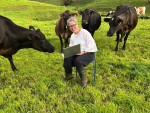
Today, 15 October, is the International Day of Rural Women, which recognises rural women’s contribution to farming, communities and the environment.
 increase font size
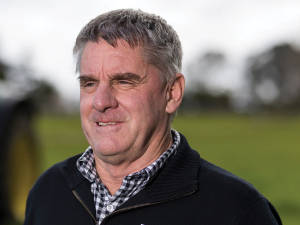
 DairyNZ general manager R&D, David McCall.
Spend on the right things and control your costs: that’s DairyNZ’s message to farmers struggling to make ends meet as global dairy prices keep tumbling.
DNZ has created a new online resource detailing the financial spending of top performing dairy farms. This is to help farmers cope with lower milk prices and set the industry up for a speedy recovery.
Economic modelling shows if farmers can curb their loss by up to $1/kgMS this season they could recover from the low milk price three-four years faster.
General manager R&D David McCall urges they spend on the right things and keep good budgetary control of costs.
“This is where we can learn from the best, so we’ve created new online information to help show farmers where to prioritise spending and how to make savings.
“Dairy farmers have asked us for more practical and specific data on which to benchmark themselves; we have listened to that feedback.
“We’ve assembled in-depth budgets from top performing farms with less than $3.50/kgMS cost of production…. Many of these farmers have learnt lessons from past downturns. We’ve ‘bottled’ that experience by creating a new online benchmarking tool that will enable dairy farmers to identify areas for improvement.
“The information will show where and how these guys get the most from their dollar. It is more than just the broad spend but a drill down into the detail.”
DNZ estimates the average NZ farm will lose $150,000-200,000 at the current forecast payout for 2015-16. The average farmer could take a few years to repay this loss. The top 20% farmer would be able to recover much sooner.
This illustrates the importance of challenging your budget to improve your business, says McCall.
“Any savings or efficiencies will mean less money going into debt and consequently interest payments.
“Reviewing your budget on a line-by-line basis is a good first step, especially at the start of the calving period. The logic is to ask the question about each line and the consequences of any action. Do I retain the expense, can I reduce it, can I defer it (say to next year) or can I remove it? Fertiliser, for example, is a big ticket item that can be reduced on many farms.”
Today, 15 October, is the International Day of Rural Women, which recognises rural women’s contribution to farming, communities and the environment.
The first major update to the Dairy Cattle Code of Welfare in more than a decade has been released, marking what DairyNZ describes as an important step in ensuring animal welfare standards continue to evolve alongside scientific evidence and on-farm realities.
Have a plan in place for your cows and staff.
DairyNZ deputy chair Cameron Henderson has been re-appointed unopposed for another term.
OPINION: The stats speak for themselves.


Federated Farmers has welcomed new rural policies released by ACT, saying they align closely with its own election priorities.

Rural Contractors NZ says proposed changes to land transport rules for agricultural vehicles are a welcome response by the Government to out of date regulations which have seen members hit with huge fines.
Alliance is calling for final applications for its 2027 Graduate Programme, with applications closing on Sunday 25 October.
Decades piloting planes has ensured vet and farmer David Hayes is focused on safety. So, after a serious accident while welding on farm, he is sharing his experience so others can learn from it.
Canterbury milk processor, Synlait Milk has confirmed Leon Fung as its chief executive officer.
OPINION: Making it easier to collect rainwater and use it to grow crops and livestock is a no brainer.