Be more than just average statistics
Averages are a great mathematical tool and brilliant for hiding poorer performing results because they get dragged up by higher results.
 increase font size
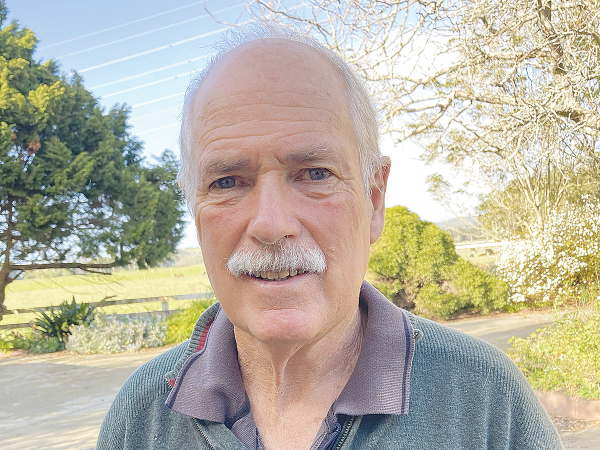 Herd Homes founder Tom Pow says the claim by some commentators that more cows will cause more greenhouse gas emissions is “a myth”.
Twenty-three years on from founding the iconic company Herd Homes, Whangarei farmer Tom Pow still strongly believes that farming smarter rather than reducing stock numbers is New Zealand's answer to reducing greenhouse gas emissions.
Pow says the claim by some commentators that more cows will cause more greenhouse gas emissions is "a myth".
"This is another area where our industry has been too weak and gullible," Pow told Dairy News.
"We as farmers need to set the standards and conditions to go forward: get our farming scientists and advisers to increase production and stocking density while reducing greenhouse gasses."
Farmers won't agree to soft options, he says.
Pow says, when he invented he Herd Homes system with his wife Kathy, it was designed to meet or surpass current and future compliance demands and help generate greater returns.
"This is not just a green coating but a whole new method of farming," he says.
Before that, they tried all the conventional management options for alleviating the distress of cows and loss of production: sacrifice paddocks, wintering barns, standoff areas and feed pads with concrete, metal, chip, or sawdust.
Some of these measures overcame pugging problems but they were dissatisfied with them all as answers to the problems of dairying on low lying, heavy clay soils with buckets of rainfall.
They discovered the major reason for under performance of cows was exposure and lack of shelter.
Pow designed Herd Homes as a system to meet environmental and welfare demands while improving productivity.
He says getting cows off wet paddocks means effluent and urine are not easily leached into soil and waterways.
"Cows in the Herd Homes shelter have the dung and urine stored in basement bunkers, out of harm from rain, or flooding."
Herd Homes allows effluent to be stored under the shelter and recycled as a valuable farm nutrient.
"It starts with what home-grown crops would give the farmer the best yield and financial increase while using the effluent stored in Herd Homes as the fertiliser.
"Many older farms have farmed with or seen what natural cow manure and urine can do on their own farms, known as the wool shed block or the cowshed block.
"Now you can have the whole farm growing like that and no compliance problems.
"No fertiliser is as cheap as the captured effluent in the Herd Home basement. It's already on your property, so there's no cartage costs."
Pow says another benefit of the shelter is that it helps preventing over-grazing.
"The more grass leaves left on paddocks, the more sunshine the plant can absorb. What follows is then the need of more mouths to eat the extra pasture grown."
He says cows are traned to eat supplements while in Herd Homes. This would make it easier for farmers to introduce methane inhibitors to their cows.
Pow believes there's no need to reduce cow numbers.
"The idea that dumbing down farms to a point so low that farming is dying is as stupid as believing that just one silver bullet will be the answer. No, it will be a way of farming with many options - the step-change group of options will come."
Averages are a great mathematical tool and brilliant for hiding poorer performing results because they get dragged up by higher results.
Last year's drought and this season’s low milk payout haven’t changed anything on Rex Butterworth’s dairy farm in Waikato.



Supply chain problems, growing protectionism and a move to greater food security are some of the key challenges facing New Zealand exporters, according to our top trade negotiator, Vangelis Vitalis.
A spat within the ranks of the New Zealand Deer Farmers Association has resulted in the suspension of outspoken North Canterbury farmer Barry Cuttance.
After delivering a strong financial year, rural trader PGG Wrightson says the coming months will depend on customer confidence and weather.
Beef+Lamb New Zealand and the Ag Emissions Centre have launched a new research project aimed at helping beef farmers reduce methane emissions without impacting productivity or profitability.
The apple sector is working with the Government to unlock access to two key markets that could bring millions in revenue for apple growers.
Celebrating 50 years in the rural landscape of Central Canterbury and beyond, Ashburton-based Carrfields, has been the exemplar for all aspects of modern agriculture via its extensive range of services including supply, growing, agronomic advice and marketing.