Early Calf Nutrition Linked To Better Growth And Future Milk Production
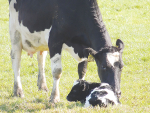
Giving calves the best possible start to life has been shown to boost growth and resilience.
 increase font size
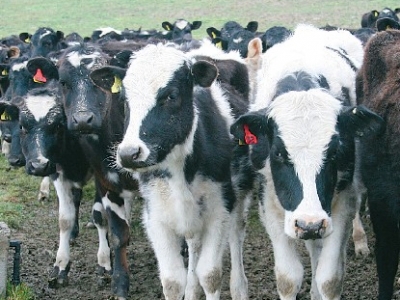 Calving season just got a little bit easier.
Calving season just got a little bit easier thanks to a new series of online videos from SealesWinslow.
The two minute clips provide quick and relevant advice from SealesWinslow nutritionist and quality manager, Wendy Morgan, allowing calf rearers to refresh their knowledge and access useful information while on the go.
Morgan says giving calves the best possible start is vital to setting up dairy cows for a long and productive life.
"It starts with having a good calving plan; ensuring calves get the right nutrition at the right time and making best use of farm facilities to provide the best calf housing.
"Well grown heifers make much more successful milking cows, and growing them well starts from the day they are born."
A total of six videos feature on the SealesWinslow YouTube site https://www.youtube.com/user/SealesWinslow, starting with advice on setting up healthy and effective calf housing, and are available now.
The videos cover a range of topics from the best way to provide colostrum to newborn calves, to feeding strategies for optimal rumen development, as well as setting up outdoor shelter best practice for and hitting weight targets.
The full series is as follows:
1. Housing
2. Colostrum and Milk
3. Introducing Feed and Weaning
4. More on Feed
5. Moving Outside
6. Weights and Targets
Morgan says the information is based on the best practice, designed so that both first time and experienced rearers can benefit from the short, straight-to-the-point videos.
"We know how hectic life can get on the farm during calving time so we've presented the information in a way that gives rearers what they need at their fingertips, when they need it."
Giving calves the best possible start to life has been shown to boost growth and resilience.

The first weeks of a calf's life quietly shape the future of the entire herd.
In calf rearing, the smallest details often have the biggest impact. While feed and genetics remain critical, bedding is increasingly recognised as a key driver of calf health, growth, and overall performance.
For decades, probiotics in calf rearing have been treated as a reactive tool – something to reach for when illness strikes. That thinking, according to Matt Collier of Probiotic Revolution, is leaving significant money on the table.
When a cow goes down after calving, it is easy to blame the calving itself. Milk fever, calving stress, poor weather, bad luck. Yet many down cows are not caused by one dramatic event. They are the end result of poorly transitioned cows entering calving under nutritional pressure.
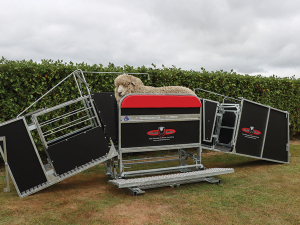
Oamaru-based livestock handling specialist Te Pari has bought Combi Clamp, the New Zealand manufacturer of Combi Clamp manual sheep handlers.

Agriculture Minister Todd McClay has admitted that a scheme bringing workers from Pacific nations to work on orchards has become too hard to navigate but says changes are coming.
A new app designed in New Zealand aims to help sheep, beef and deer farmers capture, analyse and use body condition score data more effectively.
Canterbury farmer Andy Macfarlane has been appointed to the board of AgriZeroNZ, the public-private partnership designed to accelerate the development and deployment of emissions reduction tools for New Zealand farmers.
For over 50 years Mel Ewers has been supporting the apple sector navigate through compliance and quality assurance issues.
The apple sector is enjoying a bumper harvest season.