Four Candidates Confirmed for Fonterra Board Election
Four candidates have been confirmed for two director positions on Fonterra’s board.
 increase font size
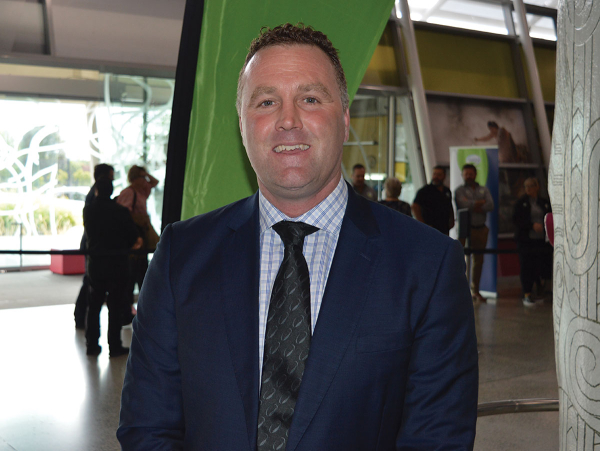 John Stevenson
Fonterra farmers have given the co-operative a thumbs up following an impressive full-year result.
Strong earnings, a full-year dividend of 50c/share, and further strengthening of Fonterra’s balance sheet have pleased farmer shareholders.
Fonterra Co-operative Council chair John Stevenson says an overall dividend of 50c/ share is good news for shareholders at a time when the financial situation of many on farm is grim.
This dividend, on top of the 50c/share capital return paid in August from the divestment of the co-op’s Chilean business, will be a welcome addition to farmer cashflows, under pressure from a reduced forecast milk price and higher input costs.
Stevenson says the council found it pleasing to see, noting that the gearing ratio of 28.8% and debt-to-EBITDA of 1.3x are both well within Fonterra’s long term target ranges.
Fonterra’s net debt decreased by $2.1 billion reflecting higher earnings, a reduction in working capital and the divestment of Soprole, its Chilean consumer business.
The co-op says this enabled an increase in cash dividends paid during the year and the capital return paid in August 2023.
It says the improvement in the gearing ratio from 42.4% to 28.8% reflects the lower level of debt coupled with the higher equity from its increased earnings.
However, there were a few spots of bad news for farmers in the annual results.
The final 2022/23 milk price of $8.22/kgMS is below the $9 midpoint of the opening forecast farmgate milk price range last season, representing declining market conditions and contributing to the cashflow pressure farmers are facing.
The council says it was disappointing to see further impairments to their co-op’s assets. Full year impairments of $252 million include $101 million for the co-op’s Asia Brands and $121 million for the Fonterra Brands New Zealand business.
Fonterra says its New Zealand Consumer business experienced challenging market conditions, including higher input costs and inflationary pressures.
“The New Zealand domestic dairy market is highly competitive, and this has impacted the sales team’s ability to fully recover the higher input costs through product price increases.
“Additionally, rising interest rates have also put pressure on our New Zealand Consumer business. This has resulted in a $121 million goodwill impairment.”
The co-op also took a $101m hit on its Asia brands – Anmum ($51 million), Anlene ($45 million) and Chesdale ($5 million), due to a reduction in forecast sales growth and changes in discount rates and foreign exchange rates to all three brands.
It says the impairments were recognised as operating expenses in both Global Markets ($55 million) and Greater China ($46 million).
Four candidates have been confirmed for two director positions on Fonterra’s board.
A record farmgate milk price and strong global demand is laying the foundation for continued growth of organic dairy farming in New Zealand.
Waikato milk processor Tatua has again declared a record milk payout to farmer shareholders, leaving other processors in the dust.
Fonterra has unveiled its annual results for the 2026 financial year, posting $27 billion in revenue and close to $20 billion returned to New Zealand farmer owners and unit holders.
Fonterra Co-operative Group has confirmed the independently assessed candidates standing for election to its board in 2026.


Good medium to long term prospects for NZ beef, especially in the US, has heighted the focus on various initiatives to capitalise on this situation.
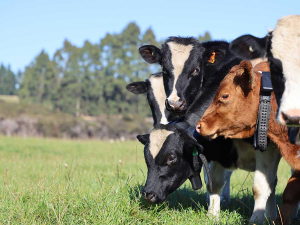
High country stations, mixed sheep and beef farms, Māori-owned farms, corporates and family operations are among the nine commercial farms taking part in the Livestock Innovation Farming Transformation programme, known as LIFT.
OPINION: New health and safety guidance unveiled by the Government recently provides farmers greater certainty about what is expected of them when managing risks on farm.
The National Animal Welfare Advisory Committee (NAWAC) is seeking public feedback on proposed changes to the Code of Welfare for Rodeos.
A New Zealand initiative supporting farmers to restore the health of grazing landscapes has received international backing through the Regenerative Fund for Nature, a global collaborative fund supporting regenerative agriculture and the communities that produce natural fibres for the fashion industry.
Combine premium New Zealand products, blend in a family ritual and what do you get? A world-class functional drink.