Four Candidates Confirmed for Fonterra Board Election
Four candidates have been confirmed for two director positions on Fonterra’s board.
 increase font size
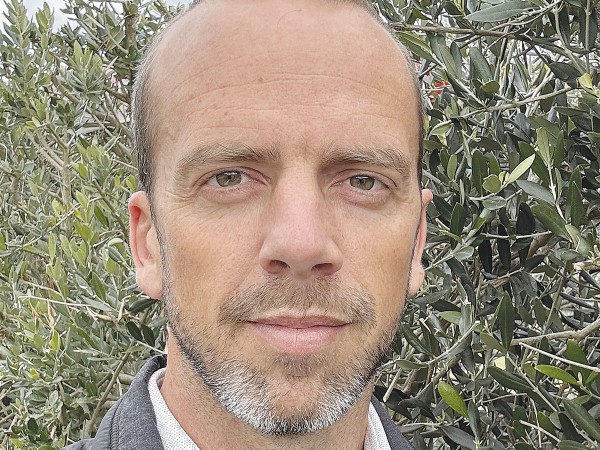 Fonterra general manager organics Andrew Henderson.
On track for a fifth consecutive year of organic milk price increases, Fonterra is seeking more suppliers to meet growing global demand.
This month the cooperative announced a new mid-point record forecast organic milk price of $13/kgMS for this season – with a range of $12 to $14/kgMS.
Last season’s forecast range was also revised upwards to a new range of $12.30 to $12.40/kgMS, with a midpoint of $12.35/ kgMS, which would be a record high. Fonterra will confirm the final milk price for last season as part of its annual results later this month. Fonterra’s highest organic milk price to date was in 2023- 24 season - set at $10.92/ kgMS.
Fonterra’s general manager for organics, Andrew Henderson, told Dairy News that that its organic farmers are entering spring with a lift in their organic milk price forecasts.
The organic milk price for last season has largely been driven by significant demand increases in recent months, with American consumers in particular prepared to pay a premium price for grass-fed, organic dairy from New Zealand, Henderson says.
“The strong demand, combined with our team’s hard work, has led to a 27% increase in sales year on year.”
The organic sales forecast for FY26 is up 8.5% compared to the previous year on a kgMS basis.
The US continues to be the largest and highest value market for Fonterra’s organics programme. However, looming large over the record milk price are new tariffs imposed by the Trump administration.
Henderson says the co-operative is keeping a close eye on overall supply and demand dynamics, including how tariff rates may affect the US market.
“We hope this latest announcement is welcome news for our organic farmers and we will keep them updated through the rest of this season if we think things have materially shifted.”
Henderson adds that the co-operative is focused on opportunities to grow its North Island organic milk supply, especially in and around the Waikato region.
“Demand for organic products continues to grow and to keep up with this we are looking to further expand our organics programme.
“We’re encouraging farmers to get in touch with us if they want more information.
“There are support options available to convert to organic, and we look forward to sharing more with any farmers who are interested.”
Henderson says the record forecasts and potential to grow the programme wouldn’t be possible without farmers’ ongoing dedication to organic practices.
“These exceptional results are a direct reflection of the care and attention co-op farmers invest in their land, animals and milk production, and we’re looking forward to building on their hard work and success as the 2025/26 season progresses.”
Fonterra’s organics business has been running since 2002 and continues to grow in supply, product range and value.
Over the last 4-5 years, the programme has more than doubled in size and currently includes more than 100 farms.
Organic farmers earn a premium, and there’s also a benefit to all Fonterra farmers because around 20% of the programme’s revenue goes back to the co-op as a contribution to shared overheads and earnings.
Four candidates have been confirmed for two director positions on Fonterra’s board.
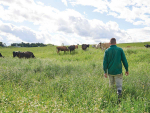
A record farmgate milk price and strong global demand is laying the foundation for continued growth of organic dairy farming in New Zealand.
Waikato milk processor Tatua has again declared a record milk payout to farmer shareholders, leaving other processors in the dust.
Fonterra has unveiled its annual results for the 2026 financial year, posting $27 billion in revenue and close to $20 billion returned to New Zealand farmer owners and unit holders.
Fonterra Co-operative Group has confirmed the independently assessed candidates standing for election to its board in 2026.

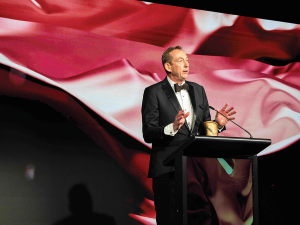
Entries are now open across eleven regions for the 2027 New Zealand Dairy Industry Awards (NZDIA).

Safer Farms is urging farmers to make sure everyone working on farm has safe, suitable footwear for the job.
The Government is backing work on a community-led water storage scheme that could irrigate up to 11,000 more hectares of the Poverty Bay flats, Agriculture Minister Todd McClay says.
Agri-tech company Herd-i has become a new all-region sponsor of the New Zealand Dairy Industry Awards (NZDIA), the largest nationwide celebration of excellence in the dairy sector.
Four candidates have been confirmed for two director positions on Fonterra’s board.
Returning to the family dairy farm after playing 20 years of professional rugby around the world is no easy task.