Provisions in the Gore District Council's proposed district plan could have a "chilling effect" on everyday farming activities.
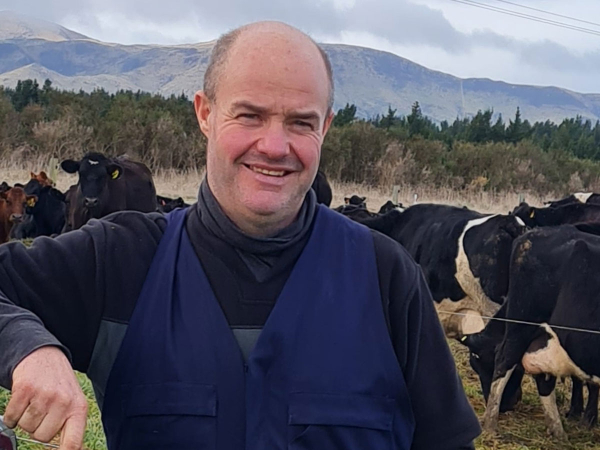
That's the view of Southland Federated Farmers president, Jason Herrick, who says a section in the plan designates the whole district as a 'Site and Area of Significance (SAMS) to Māori’, rather than just identifying specific sites as is the case with the present plan.
Herrick says the implication of such a blanket approach will mean that no farming activity, however mundane, can take place without a cultural report being prepared. He says this is a highly unusual approach to handling iwi interests.
"This is a cop-out on the part of the council. It means we won't be able to put up new fences, install a water tank, build a new shed, a silage pit, a rubbish pit and even repairing lane ways. For example, if we had an adverse event and a landslip came over a laneway, a farmer wouldn’t be able to clear that laneway until they had an assessment done. It’s weird,” he says.
Jason Herrick says farmers want to be respectful of genuine sites of significance for local iwi and to ensure proper protections are in place, but to declare the entire district as a site of significance is a massive overreach that is really going to put farmers’ noses out of joint and divide the community.
“Already we’ve got sites of significance to Māori identified on farm that are being protected and we are working with local rūnanga, and it confuses me as to why this has come about the way it has,” he says.
He says people will also need a cultural assessment for things like cycling and walking tracks, small-scale wind and hydro turbines, subdivisions and installing a septic tank. He says the proposed SAMS rules capture far more than is necessary.
“We’re incredibly concerned they will just add cost, delay and paperwork – for absolutely no gain.”
Herrick says Southland Federated Farmers and some of its individual members have made submissions to the council proposal and make the point that they acknowledge the Māori view of guardianship over land, areas of interest and landscapes. But they point out that the rights of landowners are paramount and must be prioritised.
Commenting on their submission, the council says: “The Gore District Plan manages the impacts of high-risk activities on Ngāi Tahu cultural values, as opposed to restricting a wide range of activities at specific locations. This allows decisions and, where relevant, controls to be meaningful and tailored to the relevant Ngāi Tahu cultural values that are being impacted.”
Herrick says the GDC hasn’t done due diligence on the SAMS proposal and should have pressed iwi harder to define sites of significance.
The consultation period for the plan runs until March 2025 and no final decision is due until then. But Jason Herrick says they have gone public to warn farmers around the country that other councils might try to do the same thing.