FarmIQ Launches Free App for New Zealand Farmers and Growers
FarmIQ Systems has developed a free land management app to help remove barriers to New Zealand farmers and growers adopting digital tools.
 increase font size
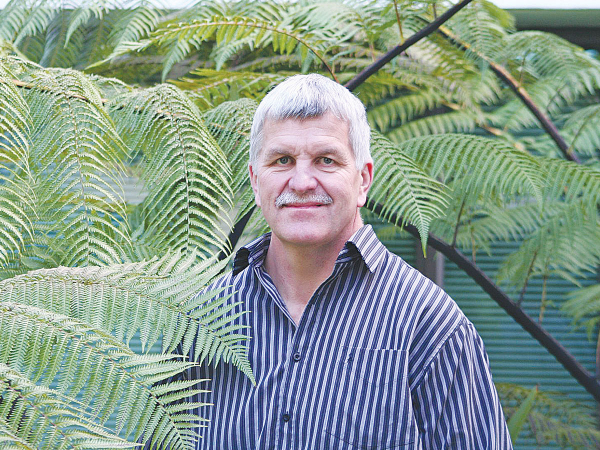 Warren Parker.
Agribusiness leader Warren Parker has been named as the new chairman of FarmIQ.
The company is the maker of farm management software that enables farmers to bring all farm-related information into one place.
Parker says FarmIQ has all the ingredients and ambition necessary to become the national leading software choice for farmers.
He says FarmIQ can only achieve this by being a good partner and a respectful collaborator.
"There is a lot to do but I'm excited by the high calibre of their people and their enthusiasm to help farmers."
The power of a platform approach is other software providers can offer their tailored solutions while farmers need to enter data only once.
Parker says this is well proven in the banking and other sectors, and there is no reason it cannot be just as successful in the rural sectors.
FarmIQ chief executive Will Noble says the company is at an exciting point in its evolution, as is the digitisation of the pastoral sector it serves.
Parker, a fromer chief executive of Scion, holds several board roles. He is chair of Landcorp Farming and the Forestry Ministerial Advisory Group and serves on the boards of Quayside Holdings, Farmlands Co-Operative Society and Genomics Aotearoa.
FarmIQ Systems has developed a free land management app to help remove barriers to New Zealand farmers and growers adopting digital tools.
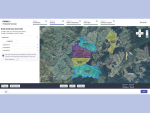
A step-by-step guide helping farmers through the process of creating a Freshwater Farm Plan (FWFP) has been launched by FarmIQ.
Tributes have continued to flow in for Warren Parker, who died suddenly just after Christmas.
State-owned farmer Pamu, formerly Landcorp Farming Ltd has paid tribute to its chair, Dr Warren Parker who passed away last week.
Farm management software provider FarmIQ is shedding 25% of its workforce and adopting a new operating model to boost revenue.



Federated Farmers has welcomed new rural policies released by ACT, saying they align closely with its own election priorities.

Rural Contractors NZ says proposed changes to land transport rules for agricultural vehicles are a welcome response by the Government to out of date regulations which have seen members hit with huge fines.
Alliance is calling for final applications for its 2027 Graduate Programme, with applications closing on Sunday 25 October.
Decades piloting planes has ensured vet and farmer David Hayes is focused on safety. So, after a serious accident while welding on farm, he is sharing his experience so others can learn from it.
Canterbury milk processor, Synlait Milk has confirmed Leon Fung as its chief executive officer.
OPINION: Making it easier to collect rainwater and use it to grow crops and livestock is a no brainer.