Fonterra Names Four Independently Assessed Director Candidates
Fonterra Co-operative Group has confirmed the independently assessed candidates standing for election to its board in 2026.
 increase font size
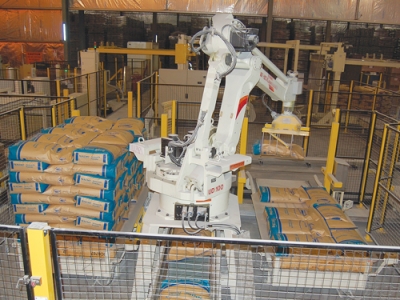 Skim milk powder prices dropped to US$1992/MT.
Farmers should expect “something around $5.00/kgMS” when Fonterra this week announces its opening forecast for the new season.
That’s the view of BNZ senior economist Doug Steel.
Steel told Dairy News that trying to predict the actual forecast payout is very difficult given the difficulty of getting inside the thinking at Fonterra.
BNZ’s bases its forecast on what it thinks will happen in the next 15 months and there are many imponderables, Steel says.
“If you look at current pricing and where current levels are, and if those were to persist for the next fifteen months, then the payout could be a lot lower than $5.00. But if your forecast was for some improvement in international prices over the next 15 months and a lower kiwi dollar then you could imagine something quite a bit higher than that. That’s the point: it comes down to the cooperative’s view on where dairy prices will go over the coming season,” he says.
Primary Industries Minister Nathan Guy says he’s been closely following what’s been happening in the dairy industry but he declines to put a number on the opening forecast payout that Fonterra will announce on Wednesday.
“We are in a period of volatility for the next three to six months but it could turn around very quickly,” says Guy, who owns a dairy farm in Horowhenua. “My advice as a farmer myself, and as someone in Wellington with a bit of access to data, is that farmers should be working very closely with their banks and accountants and doing line by line cash flow analysis.”
Guy admits it’s pretty tough for farmers now but says they are resilient and will get through the crisis.
The last five consecutive Global Dairy Trade auctions have seen the price index drop; last week it dropped 2.2%, whole milk powder down 0.5% and skim milk powder 3.6%.
Steel emphasises the payout figure to be announced this week is a forecast, so the people making this must have a view on where international pricing may go, and the currency, the product mix and cost structures. Because Fonterra doesn’t know these things in advance, setting the milk price is extremely difficult.
“For example, look at the last two seasons when Fonterra forecast $7.00/kgMS at the end of May for each of them and one ended up at $8.40 and other looks like it’s going to come in at $4.50. This highlights that there is wide error around any number… [predicted for] the next twelve to fifteen months.”
Many factors influence dairy prices – international supply and demand, pricing, inventory and political factors, Steel says. And the weather has a strong influence.
“There looks to be a large El Nino brewing and if that was to hammer New Zealand production next season the tight supplies could [cause] higher prices. From a NZ dairy farmer’s point of view it’s hardly a good way of getting prices higher, but if you are trying to forecast milk prices then you have to factor that scenario in.”
Steel agrees with other commentators that there will be little improvement over the next six months and the market is pretty sluggish. There is a lot of product around and prices are weak, resulting in a lot of downward influence on dairy farmers, he says. Russia’s ban on dairy imports from the EU and the US is a big influence.
If that ban was lifted it could spark a rapid recovery, but Steel does not put a lot of weight on that happening.
Fonterra Co-operative Group has confirmed the independently assessed candidates standing for election to its board in 2026.

Fonterra has revised its Farmgate Milk Price forecast for the 2026/27 season, lifting the midpoint and narrowing the range on the back of improving global dairy commodity prices.
Outgoing Fonterra Co-operative Council chair John Stevenson says that it has been a privilege to represent the co-op's farmer shareholders.
OPINION: It seems Canterbury processor Synlait is still in the doldrums.
OPINION: Get offside with New Zealand First leader Winston Peters at your own peril.


Will the good times last? That's one of the key issues to come out of the latest Federated Farmers confidence survey.
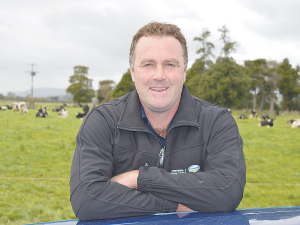
Outgoing Fonterra Co-operative Council chair John Stevenson says that it has been a privilege to represent the co-op's farmer shareholders.
Have a plan in place for your cows and staff.
New Plymouth-based Manuka honey exporter Egmont Honey has completed its acquisition of Taihape beekeeping business Tweeddale's Honey, with settlement finalised on Friday, 18 September.
Westpac NZ is calling on farmers and growers to start preparing now for the possibility of a dry summer, as likely El Niño conditions raise the risk of drought across parts of the country.
Fonterra Co-operative Group has confirmed the independently assessed candidates standing for election to its board in 2026.