Rabobank Launches HortPathways for Emerging Hort Leaders
Twenty-eight emerging leaders from across the horticulture sector spent two days last month learning valuable skills and connecting with industry experts.
 increase font size
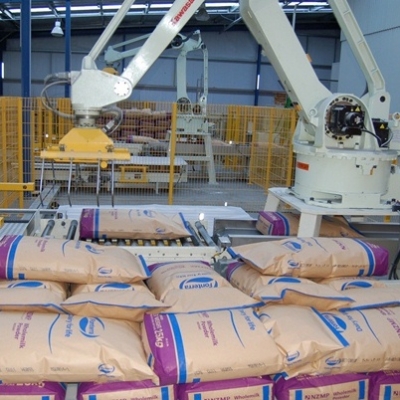
DAIRY PRICES are stabilising, but climbing off the market floor may take some time, says Rabobank.
Bank analyst Tim Hunt says low prices were required to help clear a market still dealing with exceptionally strong supply growth, a rising US dollar, a weak economic environment and reduced buying from China and Russia.
China has continued to buy far less from the international market than this time last year – with incoming shipments down almost 50% in October year on year as the country continues to work its way through excess inventory.
Meanwhile, Russia's enforced ban on imports from key suppliers has meant that globally prices have had to fall by 30-50% from their peak, to encourage buying from second-and-third-tier importers, such as South-East Asia, the Middle East and North Africa, to clear the market.
While these markets have taken advantage of discount products, helping to avoid the accumulation of supply-side stocks, the challenge of avoiding stock accumulation will likely become greater in coming months. Much depends on how quickly the world's dairy suppliers respond to recent price cuts.
Low prices, compounded in the EU by the risk of superlevy payments, should see producers in many export regions hit the brakes in early 2015, says Hunt.
"Together with some improvement in consumption in the US, and to a lesser extent the EU, this will reduce the amount available on the international market in the first half of 2015.
"However, this is unlikely to prove sufficient to generate any meaningful price recovery as demand looks set to continue at weak levels due to Chinese purchases tracking below the prior year and a continuing Russian trade ban.
Rabobank expects the market to gradually tighten in late 2015. However, it may take a weak southern hemisphere production peak in 2015 to finally tip the balance.
This week the Global Dairy Trade auction index rose 2.4%.
Flagship whole milk powder prices rose 1.4% to US$2,270/MT.
Twenty-eight emerging leaders from across the horticulture sector spent two days last month learning valuable skills and connecting with industry experts.

A 'tsunami' of milk from key exporting countries is winding down and this may be good news for New Zealand dairy farmers.
Milk powder prices are keeping farmgate prices up, helping processors offset the dip in milk fat prices.
Chinese beef trade quotas and a looming suspension of Brazilian beef imports into the European Union are expected to reshape global beef trade flows over the remainder of 2026, with implications for New Zealand exporters, according to Rabobank's Q3 Global Beef Quarterly report.
New Zealand consumers are paying more for beef mince than ever before, with the average retail price now sitting above $24 per kilogram, according to Rabobank.


Safer Farms is urging farmers to make sure everyone working on farm has safe, suitable footwear for the job.

The Government is backing work on a community-led water storage scheme that could irrigate up to 11,000 more hectares of the Poverty Bay flats, Agriculture Minister Todd McClay says.
Agri-tech company Herd-i has become a new all-region sponsor of the New Zealand Dairy Industry Awards (NZDIA), the largest nationwide celebration of excellence in the dairy sector.
Four candidates have been confirmed for two director positions on Fonterra’s board.
Returning to the family dairy farm after playing 20 years of professional rugby around the world is no easy task.
After delivering another record farmgate milk price to 100 supplying farms, independent milk processor Tatua is entering thee new financial year with a positive outlook.