Labour Vows to Change Tact on How to Handle Freshwater Rules
A Labour-led Government won’t be bringing back the controversial freshwater rules of 2020.
 increase font size
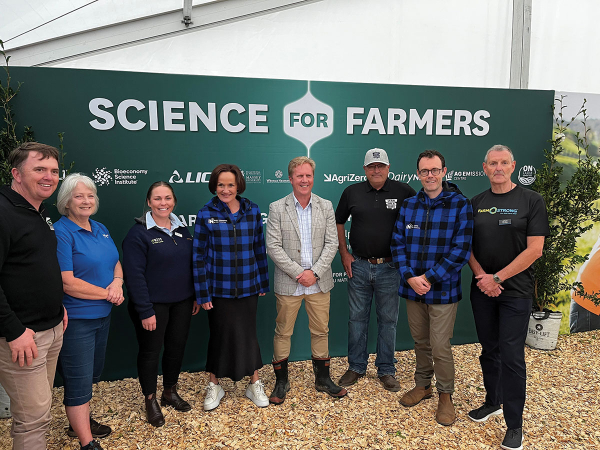 Agriculture Minister Todd McClay announced funding for 18 rural community-based initiatives at the field days.
While the District Field Days brought with it a welcome dose of sunshine, it also attracted a significant cohort of sitting members from the Beehive – as one might expect in an election year.
Received with open arms was Todd McClay, Minister of Agriculture and Minister of Forestry, who chose the Feilding event to announce the Government’s support of 18 rural, community-based initiatives through its Rural Wellbeing Fund, with $4m over the next four years.
"We established the fund mid-last year to boost wellbeing programmes that support the rural sector,” McClay says.
“These initiatives will ensure farmers and growers have the support they need to thrive.”
Mental Health Minister Matt Doocey says the Government is committed to delivering faster access to mental health support, including for the one in five people who live in rural communities.
“We’ve focused on supporting proposals that can have the greatest impact on the ground, as well as new initiatives targeting gaps.
“Partnering with grassroots organisations enables the Government funding to go further and make a real difference.”
Speaking to a large audience, McClay recognised a debt of gratitude to the primary sector, which generated around $80b in revenue and kept the country fed in difficult times and unplanned weather events. At the same time, he confirmed the Government’s ongoing commitments to simplifying rules and regulations, allowing farmers and growers to do what they do best, rather than being burdened by often repetitive surveys and paperwork.
Federated Farmers President, Wayne Langford, thanked the Minister for recognising the pressures faced by the rural sector, often on an individual basis, as many people worked long days, often alone.
“The Wellbeing Fund is much appreciated, but I hope this is only the first tranche.”
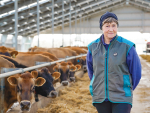
Kate Denholm, chair of New Zealand Young Farmers and manager of a 700-cow Holsten herd on a Manawatu farm, repeated the sentiment and went on to explain how the association’s 60 clubs throughout the country enabled better wellbeing through social connection, which encompassed sporting activities, training days and rural community actions like stacking tyres on silage clamps to supplement club funds.
Craig “Wiggy” Wiggins, chief mate of the Lean on the Gate charitable trust, explained how talking to a friend or trusted rural professional could help those at risk understand that they needed some help on their mental health and wellbeing journeys.
Wiggins said, sadly, there is still a very real issue with rural suicides.
“The likes of trusted rural advisors such as stock agents, who regularly work with farmers and are trusted to steer high value transactions, can make a huge difference.
“We have a plan to help train these individuals to recognise rural folk in distress, meaning that help can be offered inside or over the farm gate, rather than watching an ambulance at the bottom of the cliff. The grants will make a huge difference.”
A Labour-led Government won’t be bringing back the controversial freshwater rules of 2020.

It was billed as a chance for all the political parties to woo the rural vote, but question marks hang over just how effective this was.
There's been widespread support from the primary sector for the Government's announcement on changes to freshwater farm plans that come under the Natural Environment Bill, which is now set to replace the existing RMA.
The country's second largest milk processor is warning against 'complacency' during a review of competition regulations in the dairy sector.
Agriculture Minister Todd McClay has admitted that a scheme bringing workers from Pacific nations to work on orchards has become too hard to navigate but says changes are coming.


Farmer-owned fertiliser company, Ballance Agri Nutrients is welcoming National’s plan to negotiate security agreements with key supplier countries to protect New Zealand-bound products from export restrictions and greater supply chain certainty.
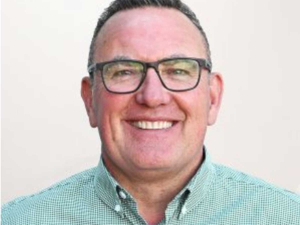
Carrfields has announced the appointment of Stu Hall to the newly created role of chief operating officer, Carrfields Ltd, reflecting the continued growth of their agribusinesses and the need to ensure the company has the leadership capacity and support in place as it pursues the emerging opportunities ahead.
New Zealand's role is not to compete with Indian growers, according to NZ Apples and Pears.
The potato industry is celebrating the success of two rising stars - James Blair, the 2026 Young Grower of the Year and runner-up and innovation award winner, Amber Davy.
Twenty-eight emerging leaders from across the horticulture sector spent two days last month learning valuable skills and connecting with industry experts.
There are five entrants in this year’s Young Horticulturist of the Year, competing in a series of technical, practical, business and leadership challenges.