New Zealand dairy has been slow to move on organics but is now getting on board.
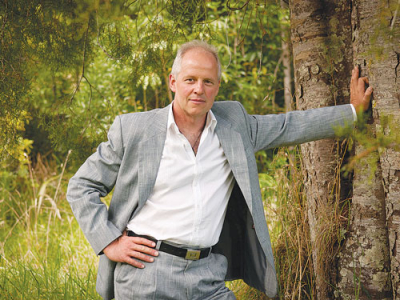
So says Brendan Hoare, who recently moved on from his position as chief executive of Organics Aotearoa New Zealand (OANZ).
Open Country declaring its organic status last month is an indication of the change, Hoare told Dairy News.
Whereas historically organic dairy was mainly produced by private businesses like BioFarm and Clearwater or local companies, now the bigger organisations are moving into organics.
Fonterra were “a bit wobbly but they got there” and globally you now have Green Valley and Open Country involved, he says.
Hoare says NZ is late off the mark but admits he is biased. Big international buyers in organic dairy “just pull their hair out at how slow New Zealand is to meet global demand”.
“New Zealand is very well placed to position itself with that strategic approach. People want safer foods, cleaner foods, good for the environment, good for people working on farms.”
Hoare says it is not just the dairy sector but NZ’s strategic perspective; we have to think even beyond organic.
“Global markets don’t want more produce that is no good for the environment. There are lots of market pressures and policy pressures. We have got to move and they feel that New Zealand is well placed to position itself to be that kind of champion.”
If you are in the dairy game you have to start to demonstrate you have a point of difference and organics does that. “Those businesses wouldn’t venture there unless they had done their homework.”
Products need to be both market and product led simultaneously. “Not one or the other; they have got to happen together, which in the modern world they call ‘blockchain’.
Blockchain goes deeper than a vertical supply chain. Market to consumer understanding, all the way through to product and production, are driven by the digital connection.
“People in a supermarket literally scan the barcode on the product to have a look at it and there is a story behind it. A blockchain is about owning that whole digital content. That can determine market preference, brand preference and also what happens in the field so that people don’t oversupply or undersupply.”
The meta-data from a blockchain of significant size becomes very powerful.
You can predict behaviours. Amazon for example is creating a platform where they know how product is being sold in real time, he says.
Hoare says the biggest chunk of growth in organics in NZ has been in the wine and kiwifruit sectors.
“But watch out, here comes dairy. They are talking to each other which is wonderful, about best practice, best extension -- we talk about moving away from commodity level and into branding. I don’t think many people understand the conversation about what that means.
“Horticulture is a great example of where they do know.”
Hoare will remain involved in the organics sector and OANZ through his company NZ Pure.
OANZ is restructuring and is not replacing Hoare but instead administrative, accounting and secretariat support will be provided under a service agreement with Horticulture New Zealand.