No backing down
OPINION: Fonterra isn't backing down in its fight with Greenpeace over the labelling of its iconic Anchor Butter.
 increase font size
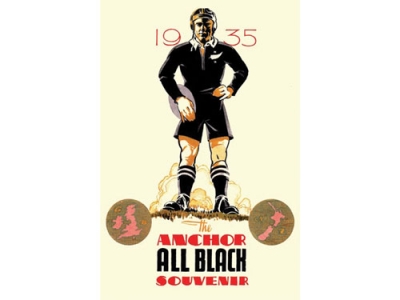
Anchor Milk and All Blacks are partnering again after 80 years.
More details on the Anchor milk-All Blacks partnership will be released later this month.
On July 31, 1935 the All Blacks and Anchor milk products embarked on the 17,000 tonne ship Rangitiki and set sail side-by-side for England – the beginning of Anchor’s partnership with the All Black’s tour of Britain, Ireland and Canada.
Fonterra Brands NZ director of marketing Clare Morgan says many of those 1935 players came from dairy farms, as many now still do, and it’s the shared values of the two that fuelled the original partnership and remains true today.
“NZ was built on the hard work and broad shoulders of its farmers. They tamed the land and made it productive.
“True grit and determination have always been the making of our dairy industry and our other world famous exports like the All Blacks.
“In partnering with the formidable All Blacks team… they showed what being NZ-made was all about.”
Morgan says the DNA of Fonterra dairy farmers and their local communities have always contributed to the All Blacks’ success.
“The work ethic and hands-on attitude of dairy farmers lends itself to performing well at the highest level.”
OPINION: Fonterra isn't backing down in its fight with Greenpeace over the labelling of its iconic Anchor Butter.

OPINION: Fonterra may be planning to sell its Anchor brand but it’s continuing to promote milk. In their latest advertisement, Anchor and TBWA\New Zealand have reimagined what the world would be like without milk – to remind Kiwis to celebrate World Milk Day.
Fonterra is exploring full or partial divestment options for its global Consumer business, as well as its integrated businesses Fonterra Oceania and Fonterra Sri Lanka.
OPINION: While most of the country is still lamenting the All Blacks one point loss to the South Africans in the Rugby World Cup final, the Hound – always on the outlook for a cloud with silver lining – found one bright spot on the sporting front.
Fonterra says its presence at the world's largest food and beverage event last month allowed it to showcase what made New Zealand dairy unique - sustainability.


Waikato milk processor Tatua has again declared a record milk payout to farmer shareholders, leaving other processors in the dust.

A Labour-led Government won’t be bringing back the controversial freshwater rules of 2020.
National’s much-touted free trade deal with India featured in the Rural Issues Debate at Mystery Creek, Hamilton on Wednesday night.
New Zealand's 2026-27 freshwater fishing season has opened, with anglers encouraged to head to rivers and lakes over the coming days as conditions look favourable across much of the country.
Central Otago District Council (CODC) has voted against a plan to spread treated sewage sludge from Cromwell and Alexandra on farmland near Lauder, a decision Federated Farmers says reflects strong opposition from rural residents.
Pāmu has released its FY26 Integrated Annual Report, reporting a Net Operating Profit of $113 million, more than double the $49 million recorded in FY25.