Canterbury and Southland dairy farmers under active surveillance for Mycoplasma bovis should get support and work with their grazier to develop a plan as they send stock to winter grazing, says DairyNZ.
Farms under active surveillance are not restricted in moving stock (unlike those under Notice of Direction or Restricted Place Notice) but biosecurity precautions are vital. About 395 properties are now under active surveillance for M. bovis.
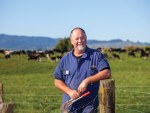
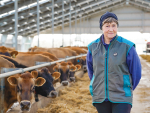
DairyNZ South Island lead Tony Finch says farms under active surveillance should work closely with their grazier to develop a plan which protects them and the grazier.
“With winter fast approaching, planning and preparation is of the utmost importance now,” says Finch.
“Stock can still be sent to grazing but communication is key. Make a plan together and be open and honest.”
A farm under active surveillance has a lower risk that its cattle are infected with M. bovis and, although testing is being done to check for infection such a farm is not under movement restrictions.
“Fewer than 5% of properties under active surveillance go on to have confirmed status, so the risk is low. But careful management remains essential,” said Finch.
“Farmers looking for advice and support are encouraged to contact us. We have staff on the ground who can help answer questions and prepare a plan. Shifting stock requires separate management of multiple mobs, completing NAIT requirements, following biosecurity precautions and record keeping.”
DairyNZ staff can help farmers continue as normally as possible while under surveillance or restrictions.
“Our M. bovis team can help support farmers with managing the herd and forward planning into the next dairy season,” says Finch.
Call DairyNZ on 0800 4 324 7969 or contact a local consulting officer or the Rural Support Trust.
Grazing guidance
Grazing guidance for farms under active surveillance includes:
- Farms with multiple mobs, or from multiple herds, should be kept separately on the home farm and at grazing.
- Have a grazing plan and record keeping which outlines key dates: stock arrival, paddock grazing days, animal health notes.
- Ensure NAIT records are up to date and detail any movements between properties.
- Follow all biosecurity precautions. At a minimum, double fence between mobs, stagger yard use and ensure boundary fences are secure.