Makita Launches GP001G 40VMax XGT Cordless Grease Gun
Power tool manufacturer Makita has released details of its new cordless GP001G 40vMax XGT grease gun, designed as a practical and precise solution for lubrication of the largest machinery.
 increase font size
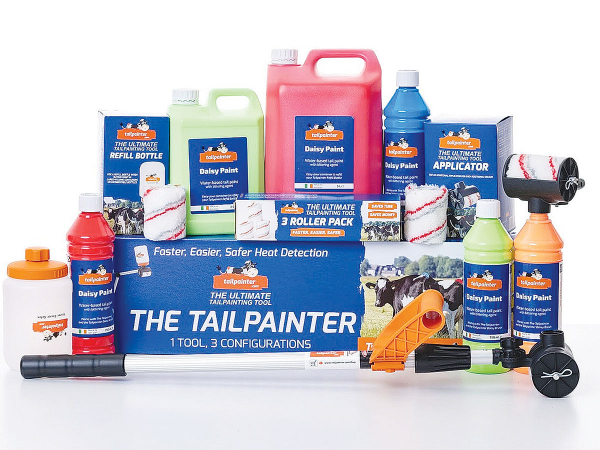
The Tailpainter heat detection tool is now complemented by the Daisy Paint tail paint range, which made its debut at the 2021 National Fieldays.
A vibrant, water-based and non-toxic paint available in four colours, the paint is formulated for ease of use and with a bright pigment for easy reading of silent heats.
“We are delighted to offer New Zealand farmers a complete heat detection solution,” says co-founder Liam O’Keeffe.
“Covid has left farmers with less available labour so an easy-to-use tool that cuts down labour time and maximises herd production is more necessary now than ever.”
The Tailpainter also helps farmers by supporting block breeding and increasing herd productivity, by consolidating the calving season into a period of as close as possible to 6 weeks. This helps maximise the production of milk and calves from their herd, with each cow producing a calf and maximising milking production pretty much on a cycle of exactly every 12 months.
Key to achieving this 12-month cycle is effective heat detection practice, with every cycle missed extending the 365-day target. Closing this gap with effective heat detection, together with the correct timing of AI using top genetics, the elimination of stock bulls and ensuring best practice in nutrition management, represents a significant increased profit opportunity for the New Zealand Farmer.
“We are delighted with the feedback from our existing customers who are realising real benefits, including ease and speed of tail paint application. The difference is the farmer now spends his time observing cows and not on strenuous tail painting, resulting in improved heat detection and more compact calving,” adds Liam O’Keeffe.
“The real trick here is to ensure that the paint quality is always in good condition before the cow leaves the parlour topping up the paint regularly. This routine removes any guessing from heat detection; the paint has to be in good condition at all times during the breeding season and therefore also allows for detection for so called non-cyclers – i.e. any cows that are not ovulating.
“We have farmers milking up to 1,000 cows down to herds of 50 cows, who were aware of the labour-intensive job and often hazardous job of tail painting.
Power tool manufacturer Makita has released details of its new cordless GP001G 40vMax XGT grease gun, designed as a practical and precise solution for lubrication of the largest machinery.

Can-Am has introduced its 2027 range of side-by-side vehicles (SSV) and all-terrain vehicles (ATV), including the industry leading Defender, the Maverick R and the hugely capable Outlander ATV, incorporating a host of advancements designed to deliver an exceptional riding experience.
Body Condition Score (BCS) is a critical element in managing the health and reproduction of the dairy herd.
Body condition scoring ewes at least six weeks out from mating can make a significant difference to conception rates and scanning percentages.
The missing link in getting maximum weight gain in your calves may be as simple as keeping them warm, says the Christchurch manufacturer of a range of woollen covers for young livestock.


South of the central Hawke’s Bay town of Waipukurau is Taniwha Station – a highly successful 550ha bull beef farming operation.
Beef + Lamb NZ funded research has shown that some simple changes to pasture management could help farmers make better use of rainfall and build resilience before dry conditions hit.
OPINION: There could hardly be a more appropriate theme for a conference than the one chosen by the red meat sector - Navigating Volatility.
When Northland leather worker Vernon Suckling started making horse saddles 50 years ago, quad bikes and side-by-side vehicles were unheard of.
Alliance Group has confirmed that eligible farmer-shareholders who supply and continue to back the business will receive up to $20 million later this year, following the strategic investment partnership with Dawn Meats.
With a general election under five weeks away, Rural News is asking major political parties about their policies and positions on key issues facing the primary sector. We will run their responses to each question over the next four weeks. The ACT Party and the Greens didn't respond in time.