New dimension in fert application
With new nitrogen fertiliser restrictions due to kick in during July 2021, with a target to apply less than 190 units N/ha, many farmers will be having a re-think on fertiliser application.
 increase font size
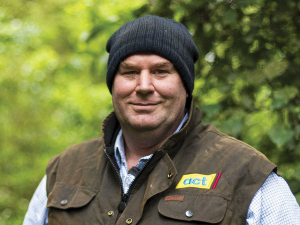
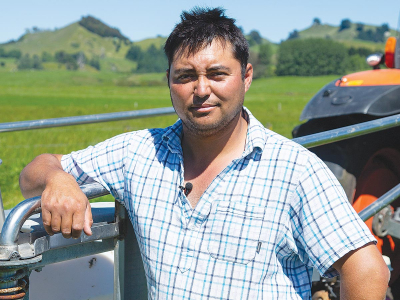 Alistair Neville.
Reporoa farmer Alistair Neville is using the Tow and Fert range for more environmentally-friendly farming practices.
The use of technology to improve farming practices and returns has always been an interest and a passion for Neville.
While studying at Massey University he came across a paper advocating the benefits of foliar applied fertiliser. He quickly latched on to the idea and converted to the Tow and Fert range about six years ago.
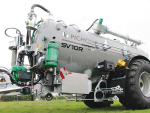
Neville runs a Tow and Fert Multi 800, which has since been updated to a 1000 model.
“We are putting mostly nitrogen through the machine, urea and SOA mix or an N and elemental sulphur brew. We will also run giberillic acid in the colder months.”
Neville is also making the move to an autumn milking run to take advantage of the premium payout available from Fonterra for winter milking and to make the most of summer with his boat and bach.
“With us going into winter milking the Tow and Fert will be a key component of the whole system to grow as much grass as we can.”
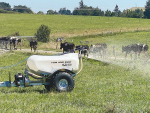
He uses the sprayer three times a week following the cows. He is also able to make use of the excess green water on the farm as the base in which to mix the fertiliser brew.
Neville also uses his Tow and Fert Multi 800 as a trash pump, cleaning culverts and troughs and helping the garden with green water.
“We need to be environmentally friendly and with new environmental regulations coming in we need to be smarter about how we use our fertiliser, especially nitrogen, and I think the Tow and Fert is the answer to quite a lot of that.”
With new nitrogen fertiliser restrictions due to kick in during July 2021, with a target to apply less than 190 units N/ha, many farmers will be having a re-think on fertiliser application.

The saying goes ‘when things get tough, the tough get going’ and this is happening here in New Zealand and further afield.
Reporoa farmer Alistair Neville is using the Tow and Fert range for more environmentally-friendly farming practices.
Matamata farmer Matthew Zonderop says he’s never looked back since he started using a Tow and Fert unit about three years ago.
Tow and Fert sprayer systems made by Metalform have been around for several years, growing in popularity with users who cite reduced costs and other benefits.


As part of its Election 2026 coverage, Rural News asked political parties how they would help pull the arable sector out of the doldrums. Here's what they said:
Farmers are being encouraged to rethink how they manage waste on farm with the launch of ruralwastesorted.co.nz, a new website bringing together practical tips, real farmer experiences and resources.
New Zealand Winegrowers (NZW) is celebrating the India-New Zealand Free Trade Agreement (FTA) coming into force today, bringing New Zealand wine improved access to one of the world’s fastest-growing economies.
New Zealand’s red meat sector has welcomed the India-New Zealand Free Trade Agreement taking effect, which removes India’s 33% tariff on New Zealand sheepmeat.
More than 95 per cent of New Zealand’s forestry and wood exports to India can now enter tariff free as the New Zealand-India Free Trade Agreement comes into force today.
Federated Farmers is backing Feilding High School’s call to keep Agriculture and Horticultural Science as a standalone subject in Year 11.