COVID-19: Ag tech lends a helping hand
The saying goes ‘when things get tough, the tough get going’ and this is happening here in New Zealand and further afield.
 increase font size
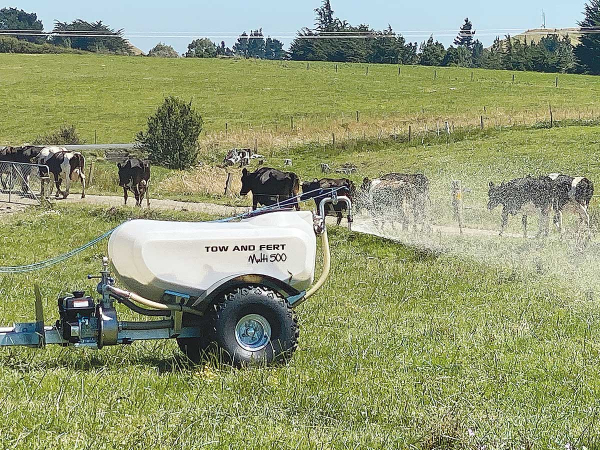 The latest introduction to the Tow and Fert family is the Multi 500.
With new nitrogen fertiliser restrictions due to kick in during July 2021, with a target to apply less than 190 units N/ha, many farmers will be having a re-think on fertiliser application.
Tow and Fert, well known for its system of delivering nutrients in suspension as a foliar application, says its system is already reaping benefits for its customers, by increasing efficiency, reducing inputs, leaching and run-off and most importantly, growing more grass.
The latest introduction to the Tow and Fert family is the Multi 500 that the company says will help farmers reduce their nitrogen inputs significantly, helping them to become compliant with the new regulations.
Designed for smaller farms, those wanting to trial the system or perhaps requiring a smaller second machine, the Multi 500 is said to bring the technology of its larger siblings in an easy to use package.
Suitable for towing behind an ATV or UTV, the Multi 500 features a 500-litre tank, working in conjunction with an engine-driven, 2-inch Metalform stainless steel trash pump.
Typically, the set up can cover 3 –4ha in 20-25 minutes, at spreading widths of up to 10 metres, with the ability to dissolve 200kg of urea/DAP or keep 350kg of lime in suspension. The heavy-duty suspension uses galvanised steel throughout, houses the tank in a position to create a low centre of gravity, while wide, low pressure tyre equipment means the machine treads lightly.
Its compact size and light footprint means that it can be used immediately after the cows have left a paddock, while also offering the versatility of being able to mix and apply mag oxide several days in advance of grazing, or applying thistle control herbicides in combination with urea applications.
www.towandfert.co.nz
The saying goes ‘when things get tough, the tough get going’ and this is happening here in New Zealand and further afield.
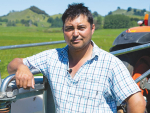
Reporoa farmer Alistair Neville is using the Tow and Fert range for more environmentally-friendly farming practices.
Reporoa farmer Alistair Neville is using the Tow and Fert range for more environmentally-friendly farming practices.
Matamata farmer Matthew Zonderop says he’s never looked back since he started using a Tow and Fert unit about three years ago.
Tow and Fert sprayer systems made by Metalform have been around for several years, growing in popularity with users who cite reduced costs and other benefits.


Leading figures from the major political parties will be questioned on their primary sector policies at the Rural Issues Debate at Mystery Creek Events Centre, Hamilton, on 30 September.
Beef + Lamb New Zealand (B+LNZ) says it welcomes the passage of the Natural Environment Bill and Planning Bill, calling the bills a positive step for sheep and beef farmers.
A spate of southerly winds bringing cold temperatures has presented challenges for Taranaki dairy farmers.
Converting a longstanding cropping farm to dairy was the only way to ensure the land stayed in the family long term, says new dairy farmer Rod May.
As the election heats up, Organics Aotearoa New Zealand (OANZ) has launched its election scorecard designed to help voters wanting to support policies that grow organic and New Zealand's organic sector.