Almond Hulls Trialled to Cut Dairy Cow Emissions in NZ
Almond hulls sourced from Australian orchards may have the potential to help New Zealand cows reduce emissions, boost milk yield and lower input costs.
 increase font size

Having problems getting an accurate body condition score of your herd? Then DeLaval's latest innovation will be come in handy.
The global milking company giant has launched the world's first automated body condition scoring system. The technology is based on a 3D camera fixed on a gate. Once a cow passes under the camera, the system recognises the movement and selects the best still image of the cow in the video sequence. The image is converted into an accurate body condition score.
"Most farmers understand the concept and benefits of body condition scoring but for various reasons they are not doing it today," says Fernando Mazeris, Vice President Farm Management Support Systems at DeLaval.
"Now that we have a cost-effective solution for consistent, regular and accurate scoring, we see that the potential is huge,
"The technology is a world-first and completely changes the way the farming community will look at body condition scoring. Achieving an accurate body condition score is now extremely simple," says Mazeris.
"It gives consistent and daily feedback on the condition of a herd without any work on the part of the farmer. That's valuable information that can have significant benefits to the health of the cow and to the running and profitability of the farm."
DeLaval's own studies project that regular scoring and optimising the score could help the farmer to:
DeLaval is now selling its body condition scoring BCS in a number of countries in Europe, North and South America and Asia. By the end of the year, the system will be sold globally.
For more information visit; http://www.delavalcorporate.com/our-products-and-services/farm-support/delaval-body-condition-scoring-bcs/
Almond hulls sourced from Australian orchards may have the potential to help New Zealand cows reduce emissions, boost milk yield and lower input costs.

New Zealand wool is reaching new heights as air filtration companies move away from synthetic products to biodegradable alternatives.
Body Condition Score (BCS) is a critical element in managing the health and reproduction of the dairy herd.
New Zealand dairy farmers are set to be the first in the world to receive access to a new digital physical milk pricing tool that enables them to fix the price for their physical milk.
Makers and retailers of animal health and crop thriving products are backing the Government’s plan to step up approval processes for new offerings.


During the nesting season, from September to December, industrious starlings can quickly build nests in the darker areas behind tractor and vehicle, usually close to hot engines, typically resulting in localised damage or in some cases complete write-offs.
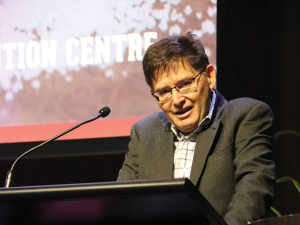
The meat processing industry is much more collegial than it was in the past and is now more focused on common goals.
With the last couple of months having seen some potential tractor purchases put on hold with the impending election and continued input cost rises, year-to-date figures, ending September, has seen deliveries up around 5% over the same period in 2025, with a total of 2026 units.
Beef+Lamb New Zealand is calling for nominations for director roles in the Northern South Island and Northern North Island electoral districts.
Fonterra chief executive, Richard Allen says being resilient has helped the dairy industry overcome extreme volatility in recent years.
The head of the Ministry for Primary Industries (MPI) trade and international relations group says New Zealand is well-positioned to secure trade access and compete internationally as the world becomes more complicated, demanding and uncertain.