Fonterra FY26 Results: $9.69 Milk Price, $3.4bn Profit
Fonterra has unveiled its annual results for the 2026 financial year, posting $27 billion in revenue and close to $20 billion returned to New Zealand farmer owners and unit holders.
 increase font size
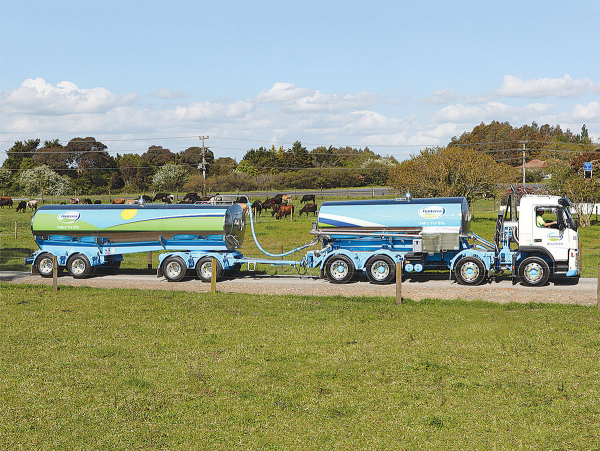 From 1 June 2021, Fonterra changed the way farmers are paid through the introduction of a new milk payment parameter.
Milk quality is a key driver of value for Fonterra.
It enables the co-opeative to meet market regulations and the expectations of customers and consumers.
"When we get our milk quality right, we see improved quality, flavour, functionality, shelf life and yields.
"Low quality milk puts our reputation at risk, increases the risk of product quality failures and drives up the costs of transport and manufacturing."
From 1 June 2021, Fonterra changed the way farmers are paid for their milk through the introduction of a new milk payment parameter.
The 10 cent Co-operative Difference payment is made up of:
Once these have been achieved:
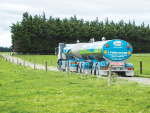
The Milk Quakity standard is measured and graded when the tanker driver collects and tests the milk. The milk is graded as either a downgrade, quality, or excellence.
The excellence grade is awarded when the milk meets a higher level of quality, above Fonterra's milk parameters.
Once the farmer achieves an excellence grade of 30 days across the season, then every day they achieve that grade would see the farmer qualify for the 3c/kgMS payment.
Fonterra says the Co-operative Difference means pulling the best of what farmers do into five focus areas and making sure they become the strongest possible foundations for the co-op.
"It doesn't mean losing your unique way of doing things on your farm.
"Instead, it will help us all work together as a strong co-operative.
"Getting the best returns is determined by our ability to access opportunities, markets, and premium prices. It is also important that the wider community value our role and our approach to farming, animal wellbeing and guardianship of the land, so that dairy farming is seen as an attractive and respected career choice for future generations.
"This means staying at the forefront of issues such as quality, safety and sustainability.
"That is what The Co-operative Difference is all about."
Milk Cooling Regulations
New milk cooling regulations came into effect from June 1 2018.
The rules state that raw milk must:
a) be cooled to 10°C or below within four hours of the commencement of milking; and
b) be cooled to 6°C or below within the sooner of:
i) six hours from the commencement of milking, or
ii) two hours from the completion of milking; and
c) be held at or below 6°C without freezing until collection or the next milking; and
d) must not exceed 10°C during subsequent milkings.
The rules apply to all farms.
Fonterra has unveiled its annual results for the 2026 financial year, posting $27 billion in revenue and close to $20 billion returned to New Zealand farmer owners and unit holders.
Fonterra Co-operative Group has confirmed the independently assessed candidates standing for election to its board in 2026.
Fonterra has revised its Farmgate Milk Price forecast for the 2026/27 season, lifting the midpoint and narrowing the range on the back of improving global dairy commodity prices.
Outgoing Fonterra Co-operative Council chair John Stevenson says that it has been a privilege to represent the co-op's farmer shareholders.
OPINION: It seems Canterbury processor Synlait is still in the doldrums.


Farmers across parts of Southland and South Otago are continuing to deal with difficult conditions after a prolonged run of wet weather, with pressure building around feed supply, stock management, pasture damage, farm infrastructure and everyday workloads.

Federated Farmers says it welcomes Labour's commitment to reviewing the Sharemilking Agreements Act, calling on other major parties to do the same.
For Canterbury dairy farmers Sian Meijer and Rick Wobben, wearable technology has become one of their most valuable on-farm tools - helping manage 1850 cows across an expansive, high-performing dairy operation while improving efficiency, mating outcomes and day-to-day decision making.
Fonterra has unveiled its annual results for the 2026 financial year, posting $27 billion in revenue and close to $20 billion returned to New Zealand farmer owners and unit holders.
The first major update to the Dairy Cattle Code of Welfare in more than a decade has been released, marking what DairyNZ describes as an important step in ensuring animal welfare standards continue to evolve alongside scientific evidence and on-farm realities.
Ravensdown shareholders have elected Jane Montgomery and Kate Acland to the Ravensdown Board for three-year terms, following a closely contested director election.