Effluent is a valuable source of nutrients.
Good effluent management on a dairy farm not only saves on fertiliser costs and enhances soil health but also helps prevent animal health problems associated with high potassium levels in the soil.
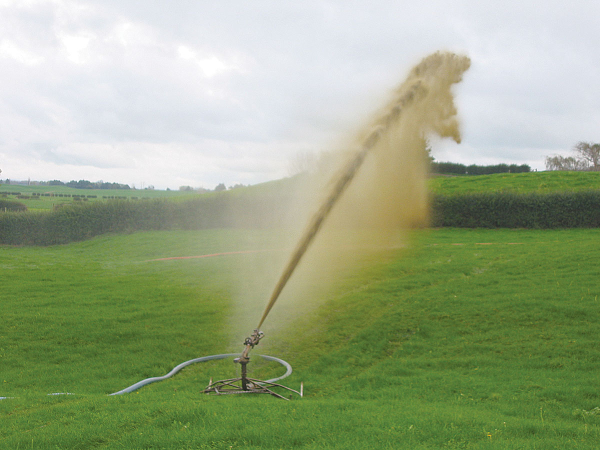
Effluent must only be applied at a rate suitable for the soil conditions. Any ponding of effluent on the land surface following application is unlawful. It is important that you know how much the irrigator is applying, adjust application rates according to soil conditions and know how concentrated the effluent is.
Effluent storage facility should also be correctly sized for individual farm system and management. The Dairy Effluent Storage Calculator (DESC), from DairyNZ, is an excellent tool for determining the volume of storage required for farm dairy effluent system. Accredited Effluent Systems Designers and Dairy Effluent WOF assessors can assist in ensuring this calculation is accurate and appropriate for the farming operation. They can also provide suggestions on where system efficiencies can be improved.
Having adequate storage means that a farm:
- Can defer irrigation in wet weather when soil conditions are unsuitable to irrigate.
- Lower the risk of effluent ponding, runoff and leaching to groundwater in wet weather.
- Have the ability to irrigate effluent when plant uptake is maximised.
- Can store effluent during mechanical breakdown.
- Can defer irrigation during busy times e.g. calving.
Increasing your effluent application area means that a farm can:
- Spread nutrients further, reducing fertiliser requirements and associated costs.
- Slow the build-up of potassium in effluent paddocks which can lead to animal health problems.
- Have more flexibility in grazing around effluent applications and safer withholding periods prior to grazing.
Waikato Regional Council encourages farmers to develop an effluent management plan (EMP) for their particular farm. To get value from the EMP it should be tailored to the farm effluent system, farming operation and resources. All farm staff should be inducted and trained in operating the farm effluent system and understand the content of the EMP.