Farmers to get more feed choices as Farmlands acquires SealesWinslow
From this winter farmers will have a greater choice of feed types and blend options than ever before, thanks to Farmlands' purchase of animal nutrition company SealesWinslow.
 increase font size
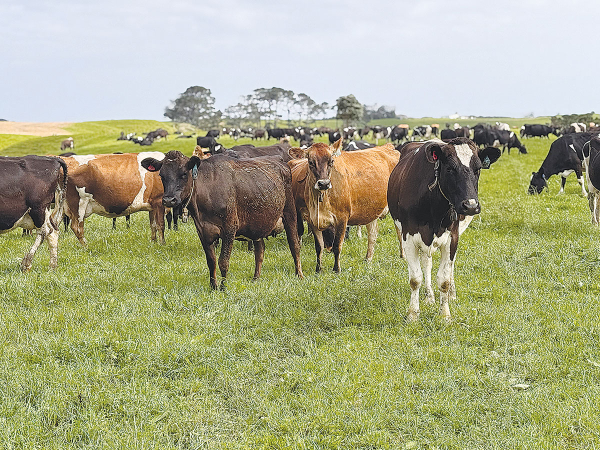 While trace elements play a vital role in herd health and production, they can be tricky to manage.
Trace elements are the ‘invisible fence at the top of the cliff’ that can protect a dairy herd’s health and ensure cows meet their full production potential, says SealesWinslow nutrition extension specialist Simon Butler.
He says while trace elements play a vital role in herd health and production, they can be tricky to manage.
The five main trace element deficiencies identified in New Zealand pastoral systems are copper, zinc, cobalt, selenium and iodine. And the cost of not having enough of these five trace elements in the cow’s diet can be very high.
“Serious effects can include elevated empty rate and/or in-calf rate, lost days in milk, impaired herd genetic improvement and reduced longevity. The serious financial impacts on productivity and profitability from these potential consequences are well documented,” says Butler.
He points out that, longer term, sub-clinical deficiencies in trace elements such as iodine, zinc and cobalt can go unnoticed. “But if these shortages become the norm in your herd, the result can be significant negative effects on energy metabolism, impacting growth and milking performance in the background,” he says.
“Therefore, the potential financial risk of not getting your trace element balanced for your herd is worth the time and investment to get it right.”
Butler adds that trace elements can all be difficult to provide to cows solely through a pastoral diet, as their levels can vary significantly by pasture, by season and by region.
“The functions of these trace elements broadly fall into three categories - reproductive performance, energy metabolism and production, and immune support. These three drivers are key determinants of a dairy herd’s overall performance,” he says.
Identifying whether the herd is deficient in these vital elements is not an easy task. Today’s high performance, high-BW dairy herds have set a new benchmark based on their size and performance, says Butler. There is a significant gap between traditional trace element standards, set many years ago, and the demands of our modern herd sizes and productivity levels.
“Trace element demands for modern, high performing dairy stock are now many times higher than the needs of historic New Zealand animals and production systems.
“We really need to be addressing this critical issue of trace element deficiency if we want to see our herds perform at their highest levels,” cautions Butler.
He says at its simplest, identifying the levels of the trace elements in your pasture can be done through an herbage test.
“If your levels for the five key trace elements are at the lower end of medium, it’s a clear sign that pasture levels are deficient in trace elements, and your cows won’t be getting what they need.
“Herbage testing can identify particularly deficient pasture Additionally, secondary deficiencies can occur due to the presence of elements such as sulfur and molybdenum in soil, or during periods of high soil iron ingestion such as grazing winter crops.”
From this winter farmers will have a greater choice of feed types and blend options than ever before, thanks to Farmlands' purchase of animal nutrition company SealesWinslow.
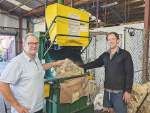
As the maker of the TPW Woolpress celebrates its 50th anniversary, one Christchurch company is singing the praises of the machine, which has been a centrepiece of its operation for most of that time.
Good planning and communication are crucial to ensure a successful moving day.
Good milk flows, healthy cows and fewer spring headaches are all possible if cow body condition score (BCS) is well managed between drying off and next season's calving.
A Mid-Canterbury dairy farmer is bringing a millennial mindset to his family farm and is reaping the rewards, with a 50% uplift in milksolids production since he took over.



LIC shareholders have elected a new North Island representative to the co-operative's Board, along with five representatives to its Shareholder Reference Group (SRG), following the company's Annual Meeting held in Invercargill.
Farmers across parts of Southland and South Otago are continuing to deal with difficult conditions after a prolonged run of wet weather, with pressure building around feed supply, stock management, pasture damage, farm infrastructure and everyday workloads.
Federated Farmers says it welcomes Labour's commitment to reviewing the Sharemilking Agreements Act, calling on other major parties to do the same.
For Canterbury dairy farmers Sian Meijer and Rick Wobben, wearable technology has become one of their most valuable on-farm tools - helping manage 1850 cows across an expansive, high-performing dairy operation while improving efficiency, mating outcomes and day-to-day decision making.
Fonterra has unveiled its annual results for the 2026 financial year, posting $27 billion in revenue and close to $20 billion returned to New Zealand farmer owners and unit holders.
The first major update to the Dairy Cattle Code of Welfare in more than a decade has been released, marking what DairyNZ describes as an important step in ensuring animal welfare standards continue to evolve alongside scientific evidence and on-farm realities.