Cameron Henderson Reappointed Unopposed as DairyNZ Deputy Chair
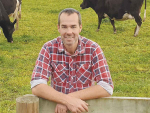
DairyNZ deputy chair Cameron Henderson has been re-appointed unopposed for another term.
 increase font size
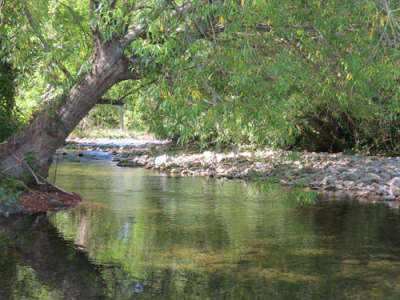 Using misleading information to portray the whole dairy industry as guilty of polluting waterways is an old Greenpeace trick.
Some newspaper headlines refer to a victory for Greenpeace, but is it?
Using misleading information to portray the whole dairy industry as guilty of polluting waterways is an old Greenpeace trick.
It has worked with the Advertising Standards Authority this time, unfortunately. Let’s hope DairyNZ’s appeal helps undo the injustice caused by the ruling.
DairyNZ lodged a complaint with the Advertising Standards Authority (ASA) late last year about a Greenpeace television advert.
The advert contained images and statements about rivers, industrial dairy farming, and irrigation, effectively saying dairying is the sole polluter of our waterways. Eleven other complaints about the advert were also received by the ASA.
DairyNZ is appealing the decision because it believes the information provided by Greenpeace in its response to the original complaint made by DairyNZ and other complainants is also misleading. Nor does it reflect any of the information DairyNZ provided to Greenpeace when they met in November, about the extensive work on dairy farms to protect the environment.
More such work is needed, but dairy farmers have made tremendous progress in fencing waterways, riparian planting, restoring wetlands and installing effluent management systems. Over the last five years farmers have spent at least $1 billion on this work – voluntarily. The countryside is where dairy farmers live and work, and they are great stewards of their environment.
Water measurement is succeeding, notably in Waikato and Manawatu, and to this long-term effort dairy farmers are fully committed.
Greenpeace has used the ASA ruling to garner media coverage. Right now it’s winning the publicity war.
Farmers must not take this lying down. As individual farmers, if you’re on social media and you have a good story to tell about the water quality on your farm, tell it.
Andrew Hoggard says Federated Farmers members have posted pictures of themselves drinking from farm waterways. “I have been amazed at the number of environmentalists, who supposedly want clean waterways, who get upset at seeing us in our clean rivers and drinking from them.”
A final decision on Greenpeace’s misleading advertisement is pending. It is basking in glory after winning this battle.
But let’s not let them win the war by spreading lies about the dairy industry.
DairyNZ deputy chair Cameron Henderson has been re-appointed unopposed for another term.
Farms across the upper North Island are trialling different pasture mixes as part of a research programme that aims to build greater resilience into farming systems.
Election years are always a concerning time for farmers, according to DairyNZ chair Tracy Brown.
Most dairy regions around the country have had a pretty good season so far says Tracy Brown.


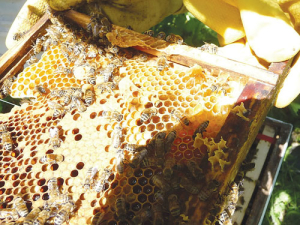
New Plymouth-based Manuka honey exporter Egmont Honey has completed its acquisition of Taihape beekeeping business Tweeddale's Honey, with settlement finalised on Friday, 18 September.

Westpac NZ is calling on farmers and growers to start preparing now for the possibility of a dry summer, as likely El Niño conditions raise the risk of drought across parts of the country.
Fonterra Co-operative Group has confirmed the independently assessed candidates standing for election to its board in 2026.
Fonterra has revised its Farmgate Milk Price forecast for the 2026/27 season, lifting the midpoint and narrowing the range on the back of improving global dairy commodity prices.
New Zealand's citrus growers were challenged to build their future on the value embedded in their fruit rather than the volume they produce, at Citrus New Zealand's annual gathering in Gisborne on 17 September.
Leading John Deere technicians and apprentices from New Zealand and Australians were recognised at the recent sixth annual JD Technician of the Year Awards, held in Brisbane.