Editorial: Support Dairy
OPINION: Political parties are getting plenty of advice and recommendations from sector groups as the election approaches.
 increase font size
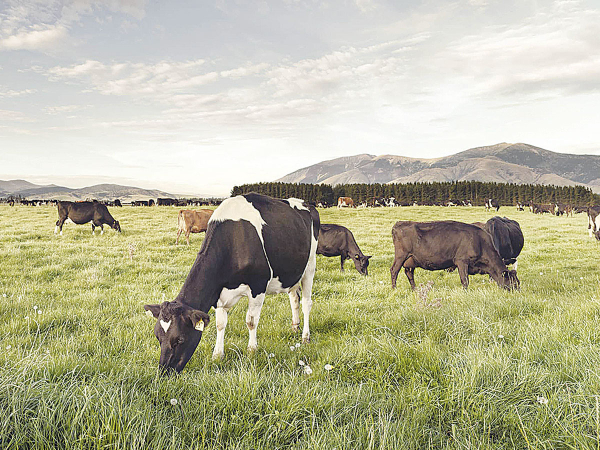
OPINION: Have a plan in place now!
That’s the message from DairyNZ as scientists warn that a “very strong” El Niño will be impacting New Zealand over the coming months.
Modelling done by the industry-good organisation paint a bleak picture.
A very strong El Niño could lift farm working expenses to $6.78/kgMS and push the national break-even milk price to $9.07/kgMS.
This would mean narrow financial buffers while national milk production could drop between 2.1% and 3.3% depending on the severity of the weather pattern.
Projecting impacts of an El Niño event is extremely challenging because no single El Niño event plays out like another, and the expected impacts of this coming El Niño event vary significantly by region and, in some cases, sub-regionally.
The biggest risk for many farmers will be seasonal feed availability. The key is to keep feed budgets up to date, monitor pasture growth and cover, and set clear trigger points for action if conditions get tougher, according to DairyNZ.
Their message is clear: having a plan in place now gives farmers more options to respond, depending on how El Niño plays out.
New Zealand dairy farmers are experienced at managing changing conditions, but acting early is what helps protect feed reserves, autumn pasture cover and longer-term farm performance.
Farmers will most likely respond to a summer feed gap partly by buying feed and adjusting herd management.
Nationally, feed costs are anticipated to range between $1.56/kgMS under a ‘no El Niño’ event and $2.02/kgMS under a ‘very strong El Niño’.
The scary part is the effects do not stop in 2026/27. Feed, fertiliser and breakeven milk prices stay elevated into 2027-28 under various El Niño scenarios.
Some farmers say that the weather always wins. But planning now for the coming months may make losing out to El Nino less painful.
OPINION: Political parties are getting plenty of advice and recommendations from sector groups as the election approaches.
El Niño has officially been with us for several weeks now, and late winter and early September have given us a taste of what is to come.
OPINION: Making it easier to collect rainwater and use it to grow crops and livestock is a no brainer.
With a very strong El Niño increasing the odds of a dry and windy winegrowing season in New Zealand’s eastern regions, the industry should take measures to prepare.
OPINION: New health and safety guidance unveiled by the Government recently provides farmers greater certainty about what is expected of them when managing risks on farm.

Farmers have until the end of this week to help shape DairyNZ’s future focus.
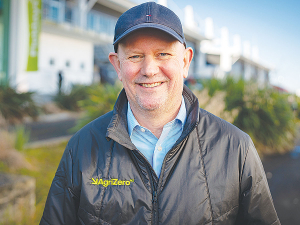
Wayne McNee, chief executive of AgriZeroNZ, has resigned and will leave the organisation on 15 January 2027.
The New Zealand dairy sector set a record in the 2025/26 season, producing more than two billion kilograms of milksolids for the first time.
Milk powder prices are continuing their merry run, firming up a potential $10/kgMS farmgate price this season.
Teachers are welcoming the outgoing Government’s U-turn allowing agriculture and horticultural science to remain a standalone Year 11 subject.
Outgoing ACT MP and dairy farmer Mark Cameron says Saturday’s election result reflects voters deeply impacted by the cost of living.