Editorial: Working Together for Results
OPINION: New health and safety guidance unveiled by the Government recently provides farmers greater certainty about what is expected of them when managing risks on farm.
 increase font size
OPINION: Politicians the world over have as their priority - get elected and stay elected.
What they do after that for their fellow citizens is a by-product of their ego-driven goal to get into power. This is well illustrated in that famous comedy/'documentary' Yes Prime Minister, where the first consideration to making any decision depends on whether it will win or lose votes.
This philosophy extends well beyond the jurisdiction of many so-called 'friends of NZ' and manifests itself particularly when it comes to international trade. Countries talk up their geopolitical, cultural and historical friendships - even mateship, where long-time allies have spilt blood together in war.
But this goes out the door when it comes to international trade and over how many years, I don't know, getting elected to enjoy the baubles of office overrides any consideration of mateship etc. NZ has had to battle this hypocrisy and 'about-faceness' for decades. Think Britain, the US and the EU.
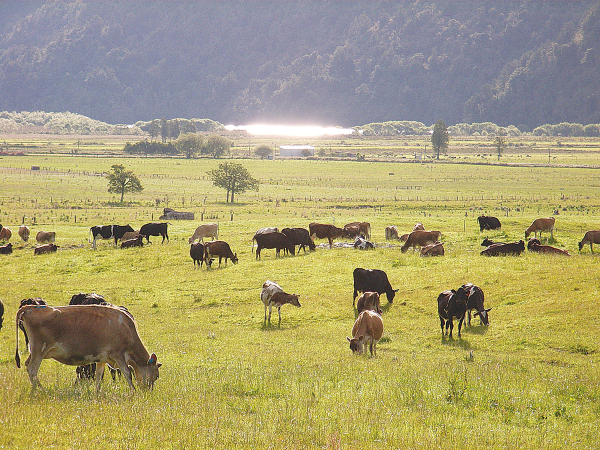
Now Canada is on our blacklist as a rogue recidivist protectionist country who, against all international trade rules, is blocking NZ from exporting dairy products there. Canada signed up to the CPTPP - a trade group based around the Pacific rim - to trade freely with all members. But while Canada portrays itself as a 'free trader' and 'friend', the reality is quite different. Canada has a peasant-like dairy industry, with average herd size of 89 cows, but a lot of small farmers with big mouths and egos, and, seemingly, power. They have managed to pressure their government to break international trade rules and ruin relationships with close friends to protect their subsidised and unsustainable dairy industry.
The NZ Government has won a case against Canada and is now looking at other legal options.
By refusing to comply with the international trade rules, Canada in effect has stolen about $120 million dollars from NZ dairy farmers. They must be taken to task for this.
OPINION: New health and safety guidance unveiled by the Government recently provides farmers greater certainty about what is expected of them when managing risks on farm.
OPINION: The stats speak for themselves.
OPINION: David Seymour and James Meager's plan to make it easier for farmers and orchardists to operate drones can best be described a 'courageous' move.
OPINION: The time has come for the Government to back the organic sector.


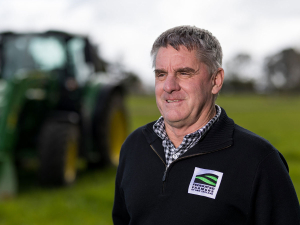
National’s pledge to introduce 19 new national standards shows the party is serious about getting Wellington out of farming, Federated Farmers says.
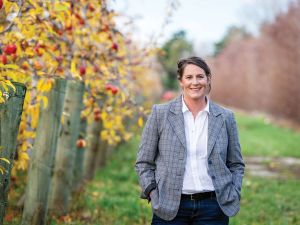
The National Party’s policies to make it easier to grow fresh vegetables, secure reliable water and energy and simplify farm planning are practical changes that will give growers the confidence to invest, according to Horticulture New Zealand (HortNZ).
Fonterra Co-operative Group chief financial officer Andrew Murray has resigned to take up a role outside the dairy giant.
A major move is about to get underway to improve the quality and viability of dairy beef and cattle in NZ.
Veterinarians say changes to the code of welfare for dairy cattle provides a positive foundation for improved cattle welfare across the country.
Today, 15 October, is the International Day of Rural Women, which recognises rural women’s contribution to farming, communities and the environment.