DairyNZ's Tracy Brown Flags El Nino Risk for Dairy Farms
Most dairy regions around the country have had a pretty good season so far says Tracy Brown.
 increase font size
 Rob Harrison, NFU dairy board chairman.
The UK dairy industry is in turmoil with milk price below the cost of production. The National Farmers Union says 450 English and Welsh farmers have quit in the past 12 months.
In another blow to farmers last week, UK’s biggest co-op Arla announced a 3c/L drop in milk price; farmers will now receive 55c/L.
NFU dairy board chairman Rob Harrison says Arla’s decision is another body blow to dairy farmers, whose “businesses have been in utter turmoil for 12 months”.
First Milk, the only co-op 100% British owned, also reduced its price this week. From July 1, most farmers will receive 2c/L less for their milk.
Harrison says the recent cuts highlight the need for short-term solutions to address the problems happening now. Farmers need urgent help from industry and Government, he says.
“We need Government to move away from paying lipservice and to focus on the here and now. Their long-term solutions must take a back seat while we focus on the immediate crisis; we need them to insist on best practice in the supply chain, look at growing dairy consumption and support more investment in dairy processing.
“We also urgently need milk buyers to be more transparent in pricing.
“Although there are a few clear formulas employed by milk processors, these are few and far between. We need all processors to improve transparency in pricing and must stop idly following one another to the bottom. This is a dire situation and we need to see the dairy industry pull through this period of volatility.
“Government has a role here in insisting processors provide up-to-date market and production data so that the whole supply chain can better understand what’s happening and how to manage risk in the future.”
Arla blames its decision on the slump in commodity prices. Its UK head of milk and member services, Ash Amirahmadi, says commodity markets keep going down despite only a small fall in prices in the latest Global Dairy Trade auction.
“While we have taken significant mitigating actions, the impact has been felt on our traded business and more recently on European markets which are also in decline. Unfortunately, these factors are affecting the entire dairy industry and despite our efforts it has not been possible to buck the trend.”
First Milk outgoing chairman Sir Jim Paice says, “While the turnaround actions taken over the last two months have improved our trading position, we also have to factor in the impact of lower commodity prices.”
Paice, a former agriculture minister, will stay on until a new chairman is elected.
Most dairy regions around the country have had a pretty good season so far says Tracy Brown.
Fonterra says its interim results show continued momentum in its performance, with revenue of $13.9 billion in the first half of the 2026 financial year.
A solid recovery of global dairy prices this year makes a $9.50/kgMS milk price almost a shoo-in for this season.
Fonterra has slashed another 50c off its milk price forecast as global milk flows shows no sign of easing.
A $10 milk price remains on the cards for this season despite recent softening of global dairy prices.


Now in its fourth year, the 2026 Fencing Industry Awards, formed part of the proceedings of the FCANZ Conference, held in Nelson during August.
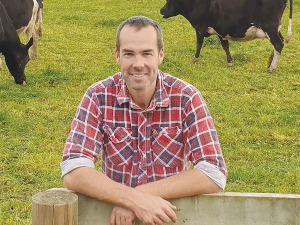
DairyNZ deputy chair Cameron Henderson has been re-appointed unopposed for another term.
OPINION: The stats speak for themselves.
Farms across the upper North Island are trialling different pasture mixes as part of a research programme that aims to build greater resilience into farming systems.
Election years are always a concerning time for farmers, according to DairyNZ chair Tracy Brown.
The Ballance Farm Environment Awards are coming to the West Coast of the South Island.